
Signs of Dental Pain in Dogs: How to Recognize Oral Discomfort
Signs of dental pain in dogs are behavioral and physical changes that indicate your pet is experiencing oral pain, and they are far more subtle than most owners expect. Because dogs instinctively mask pain, these signs rarely look like obvious distress; instead, they show up as small shifts in eating habits, play behavior, and mood that are easy to dismiss or attribute to aging. The most common sign of oral discomfort is no sign at all.
If you have ever wondered whether your dog’s reluctance to chew, unusual drooling, or change in energy could be connected to their mouth, the answer may surprise you. Read on to learn exactly what to watch for, which signs are urgent, and how a professional dental evaluation at Houston Pet Dental in Spring, Texas can give you the full picture of what is really going on in your dog’s mouth.
Why Dogs Hide Dental Pain
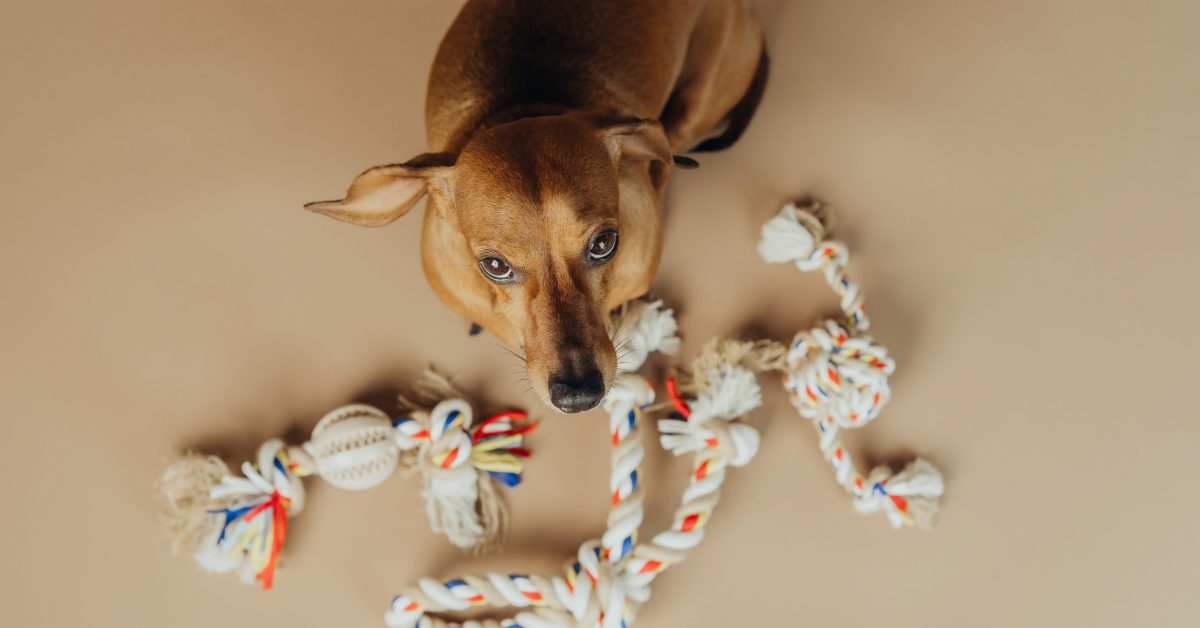
Dogs evolved as both predators and prey, and showing vulnerability, including pain, was historically dangerous. This survival instinct is still deeply embedded, which means dogs tend to mask pain and continue eating, playing, and behaving relatively normally even when they are experiencing significant oral discomfort. Many owners assume that if their dog is still eating, dental pain cannot be an issue. Unfortunately, this is not true. Dogs in significant dental pain will often continue eating simply because they are driven to do so by hunger, even if every bite is uncomfortable. These dogs can be described as picky eaters, or miss meals, or change from twice daily eaters to only once daily.
Common Signs of Dental Pain in Dogs
Dental pain in dogs can show up in a variety of ways. Some signs are more immediately recognizable, while others require a more observant eye. The following are the most common indicators that a dog may be experiencing oral discomfort.
Bad Breath (Halitosis)
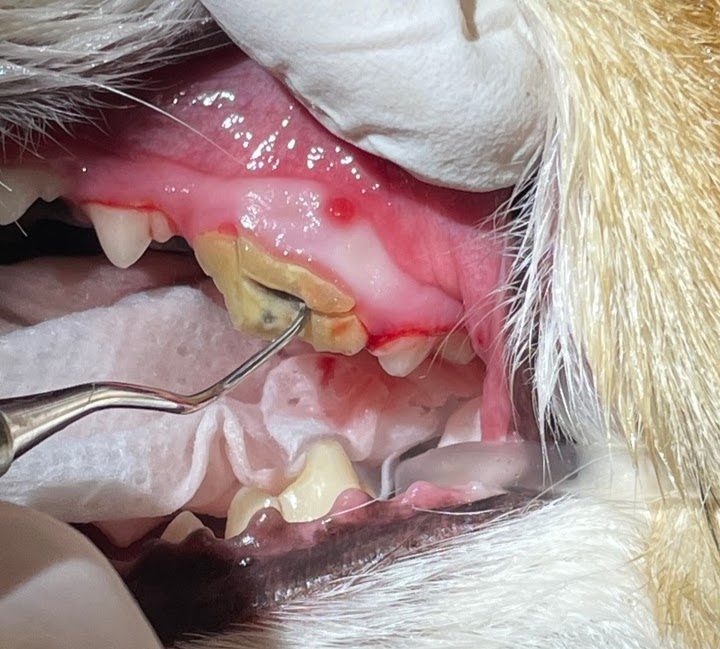
While many people assume some degree of “dog breath” is normal, persistent, strong, or foul-smelling breath is one of the most common signs of dental disease in dogs. The odor comes from bacteria in the mouth, and a particularly unpleasant or unusual smell can indicate infection, periodontal disease, or a tooth root abscess. Bad breath in dogs should never be dismissed as cosmetic. In addition to that, younger dogs often chewing items can break teeth or lodge material in between their teeth or in the roof of the oral cavity.
Changes in Eating Behavior
Watch for changes in how your dog approaches mealtimes. Dogs in dental pain may chew primarily on one side of the mouth, drop food while eating, eat more slowly than usual, show reluctance to eat hard kibble, or lose interest in food they previously enjoyed. These behavioral shifts are often a direct response to oral discomfort and should prompt a dental evaluation.
Pawing at the Mouth or Face
A dog that repeatedly paws at their mouth or rubs their face against furniture, carpet, or the ground may be attempting to relieve oral discomfort. While some face-rubbing after eating is normal, persistent or unusual behavior in this area is a sign that something in the mouth is causing irritation or pain.
Reluctance to Play with Toys
A dog that previously enjoyed chewing on toys and suddenly shows disinterest in them, or a dog that starts chewing only gently when it previously chewed enthusiastically, may be avoiding pressure on a painful tooth. This change is easily attributed to shifts in preference or age, but it is worth noting alongside other potential signs of dental pain in dogs.
Drooling More Than Usual
Increased salivation that is not related to food or excitement can indicate oral pain or infection. Blood-tinged saliva or discharge from the mouth is a more urgent sign and warrants prompt veterinary attention.
Visible Swelling on the Face or Jaw
Swelling below the eye, along the jawline, or near the muzzle can indicate a tooth root abscess. This is a painful infection that develops around the root of an infected tooth and requires veterinary treatment. If you notice any facial swelling in your dog, schedule an appointment with your veterinarian promptly.
Behavioral Changes
Dogs in chronic pain often become less playful, more withdrawn, or even irritable. A dog that snaps or growls when touched near the head or mouth, or that has become generally less engaged and energetic, may be experiencing pain that affects their overall mood and quality of life. These changes are often subtle and gradual, which makes them easy to attribute to aging rather than a treatable condition.
Signs That Require Prompt Veterinary Attention
Some signs of dental pain in dogs indicate a more urgent situation that should not wait for a routine appointment. Contact Houston Pet Dental promptly if you observe any of the following:
- Visible swelling on the face, particularly below one eye
- A tooth that is visibly broken, discolored (gray or pink), or displaced
- Bleeding from the mouth that is not related to minor trauma
- Pus or discharge coming from the gums or around a tooth
- Complete refusal to eat or drink
- Blood-tinged saliva or significant drooling with no clear cause
What Does a Broken or Fractured Tooth Look Like in Dogs?
Fractured teeth are a common source of dental pain in dogs, and they are often caused by chewing on objects that are too hard, such as antlers, real bones, and hard nylon toys. A fractured tooth may appear visibly chipped or cracked, or it may have a pink or gray discoloration that indicates the sensitive pulp tissue inside the tooth has been exposed or has died.
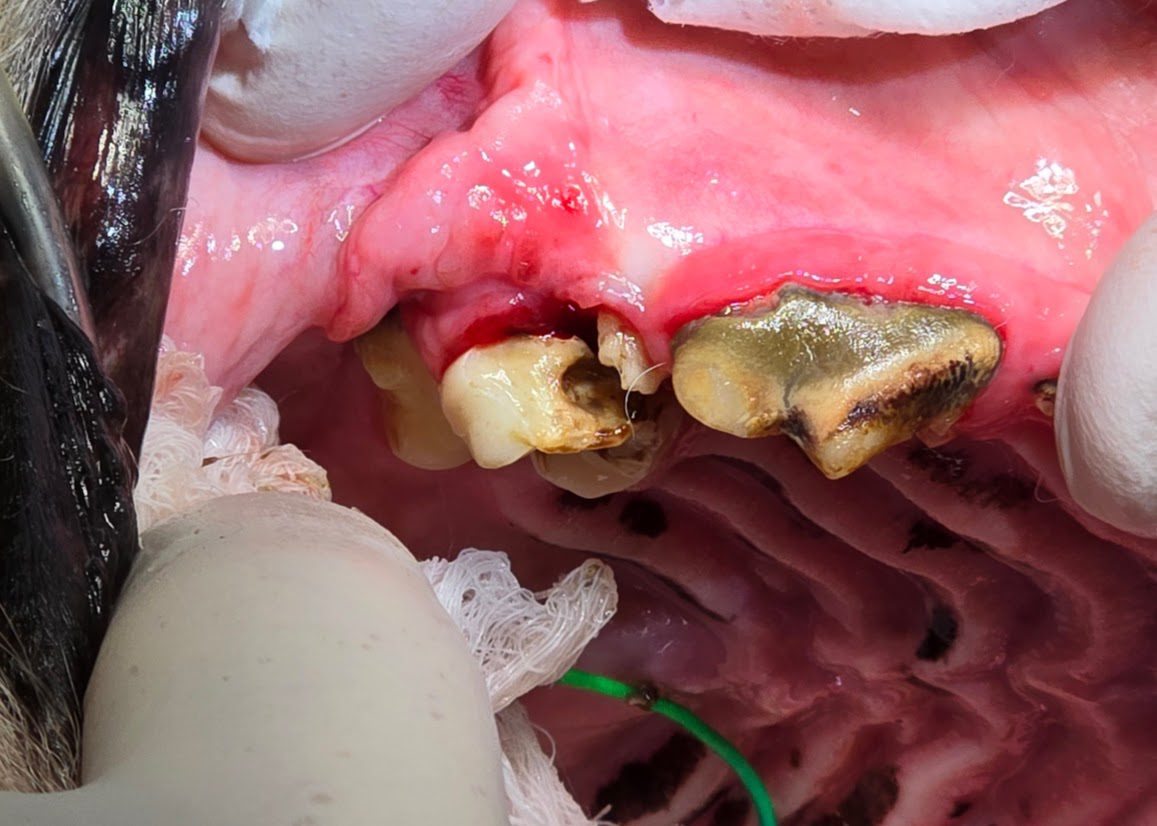
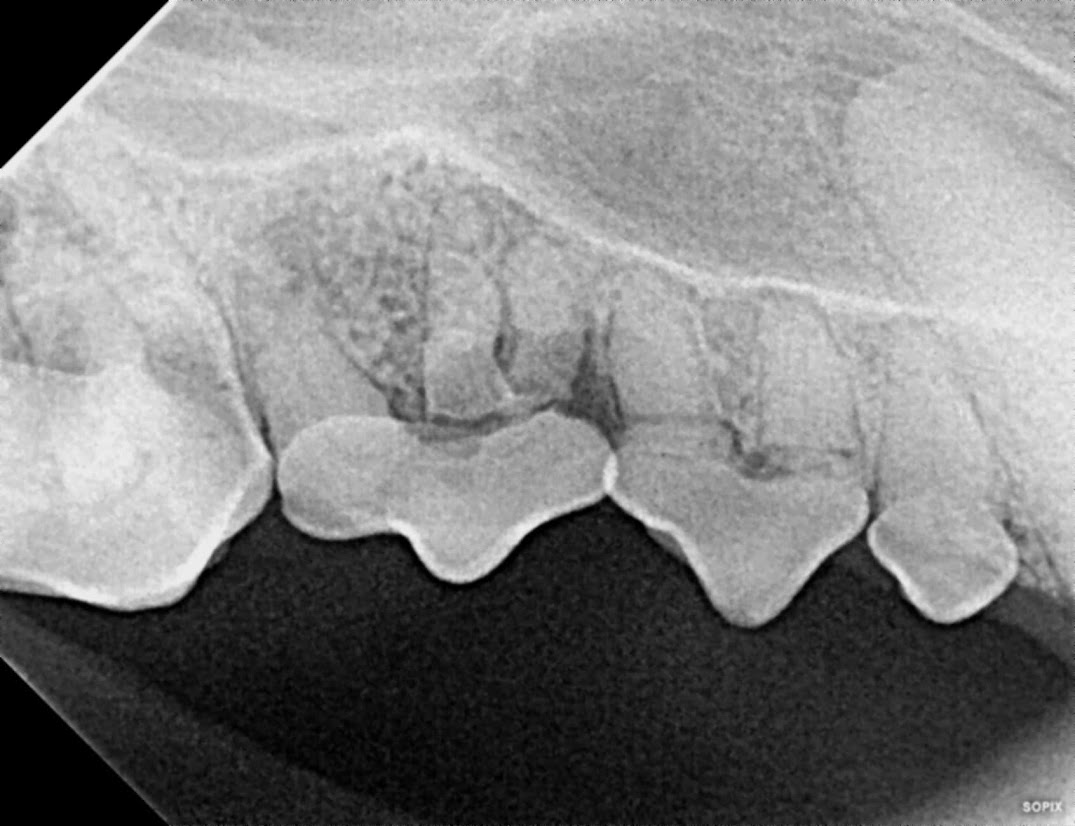
Even a fracture that looks minor on the surface can involve the pulp and cause significant pain and infection if left untreated. Not all fractures are visible to the naked eye. This is one of the key reasons dental X-rays are so important at every professional cleaning: they reveal damage that cannot be seen during a visual examination. If a dog has an obvious fractured tooth, it is likely they have fractured the tooth that interdigitates with that tooth.
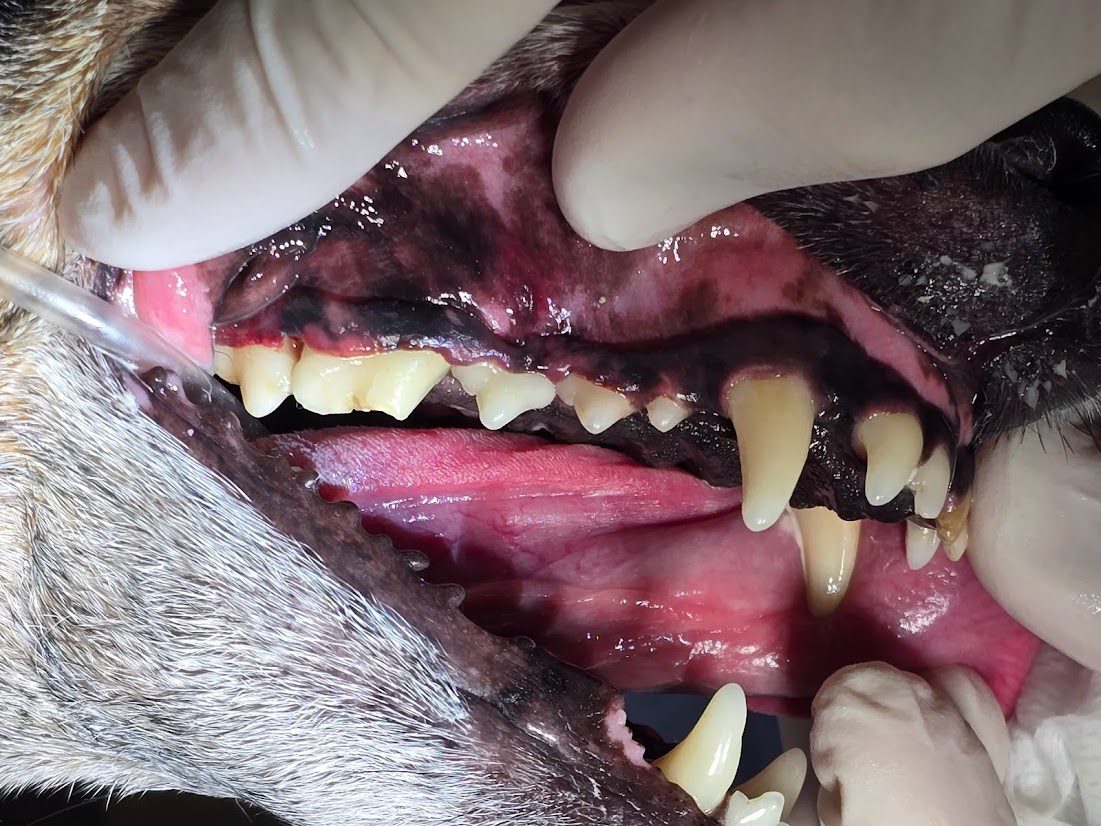
How to Check Your Dog’s Mouth at Home
Periodically examining your dog’s mouth at home is a good habit and helps you notice changes earlier. Look for the following when inspecting your dog’s teeth and gums:
- Yellow, brown, or gray buildup on the teeth (tartar)
- Red, swollen, or receding gum tissue
- Gums that bleed easily when touched
- Broken, chipped, or discolored teeth
- Unusual lumps, bumps, or discolored tissue in the mouth
- Teeth that appear loose or are missing without explanation
- Any areas that are elicit with gentle touch
Any of these findings should be brought to the attention of your veterinarian. The earlier dental problems are identified, the simpler and less costly the treatment tends to be.
When to Schedule a Dental Evaluation for Your Dog
If you are noticing any of the signs of dental pain in dogs described in this blog, do not wait for your dog’s next routine appointment. Oral pain affects quality of life significantly, and dogs are experts at tolerating discomfort without showing it clearly. A professional dental evaluation at Houston Pet Dental in Spring, Texas, includes a thorough oral examination and dental X-rays that give the veterinary team a complete picture of your dog’s oral health.
If your dog has not had a dental exam recently, or if something about their behavior or appearance near the mouth has changed, call us at 832-702-7599 today. Your dog deserves a comfortable, pain-free mouth, and the team is here to help you get there.
Recent Posts
About Us
Houston Pet Dental aims to provide affordable, high-end veterinary dental care for dogs and cats in the Houston, TX area. Contact us today or walk in for a complimentary consultation!