
Gum Disease in Dogs: Causes, Signs & Prevention
Gum disease in dogs is the most common health condition diagnosed in all dogs, affecting the majority of pets over the age of three. Also called periodontal disease, gum disease in dogs is a progressive bacterial infection that destroys the tissues surrounding and supporting the teeth, including the gums, periodontal ligament, and jawbone. Left untreated, it causes chronic pain, tooth loss, and can contribute to systemic health problems affecting the heart, kidneys, and liver.
The good news is that gum disease in dogs is both preventable and treatable when caught early. It’s important to have your pets teeth professionally cleaned before they become loose and fall out. At Houston Pet Dental in Spring, Texas, our team works with pet owners every day to diagnose, treat, and prevent periodontal disease through professional dental care and consistent at-home routines. This blog will walk you through what every dog owner should know about canine gum disease.
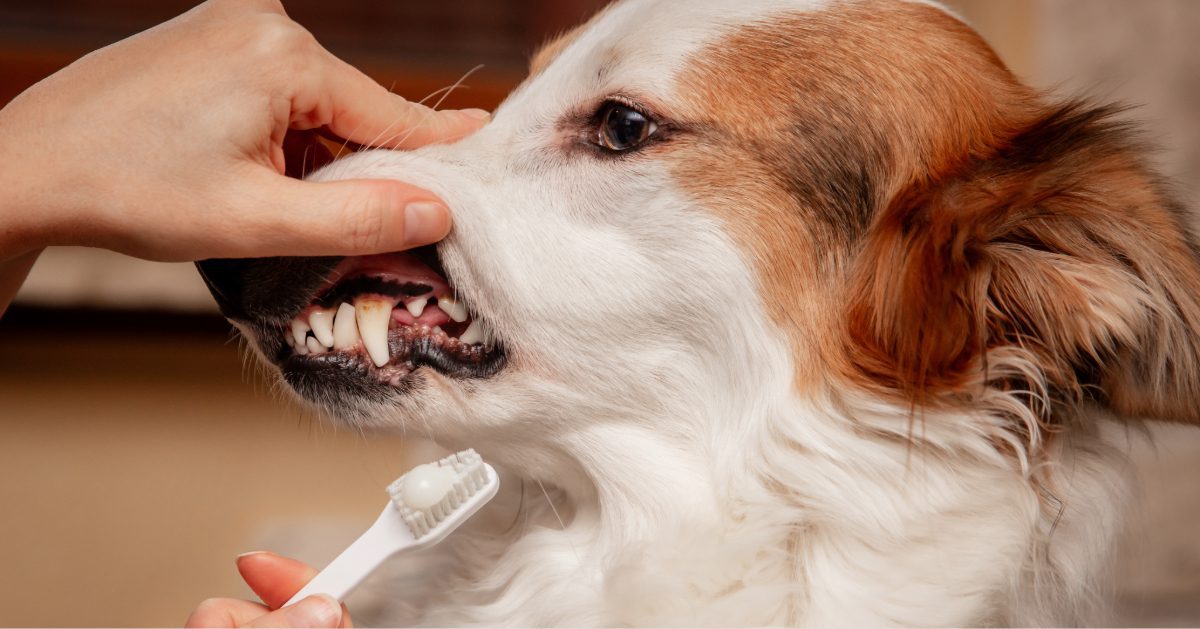
What Causes Gum Disease in Dogs?
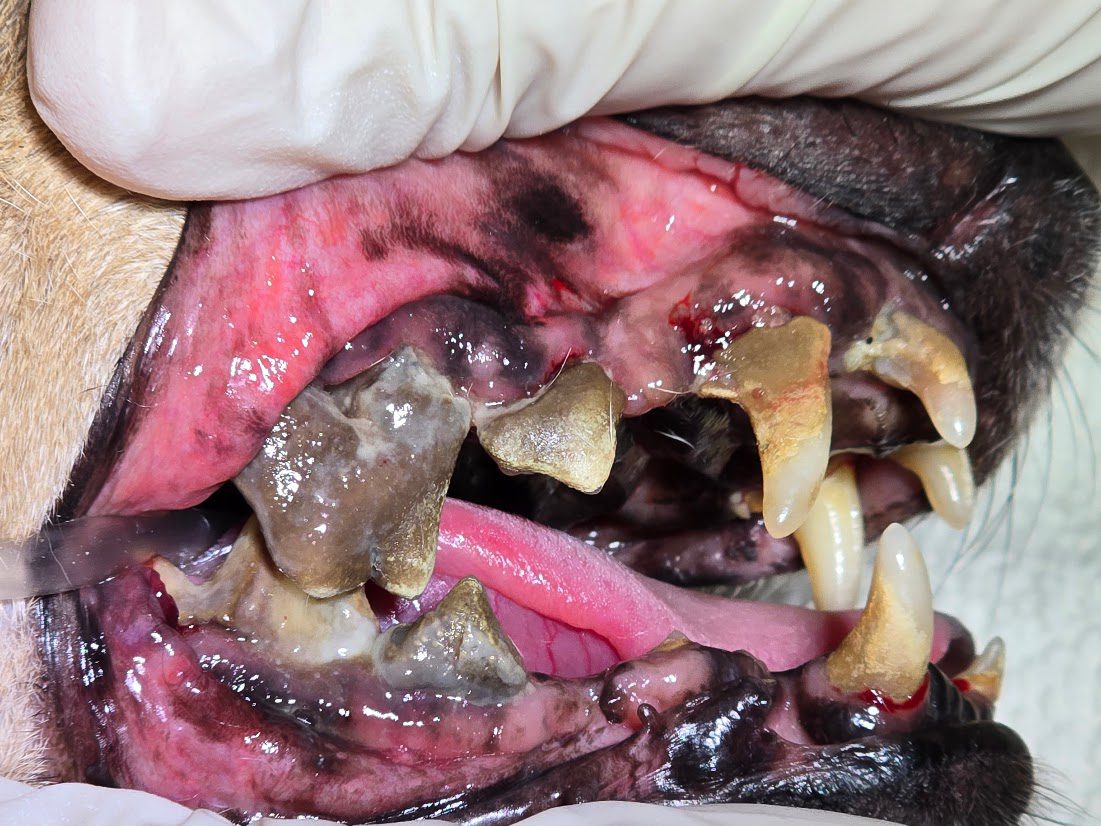
Gum disease in dogs begins with plaque, a soft bacterial film that forms on the teeth within hours of eating. This is what we humans brush off daily. If plaque is not regularly removed through brushing or professional cleaning, it mineralizes into tartar (calculus) within days. Tartar is hard, firmly adhered to the tooth surface, and can only be removed during a professional dental cleaning under anesthesia. This mineralized material also travels below the gum line causing a loss of gingival attachment leading to painful nerve exposure. It’s important to address teeth when tartar is visible early on and not after it’s been present for years. This is why we humans have professional annual cleanings and radiographs.
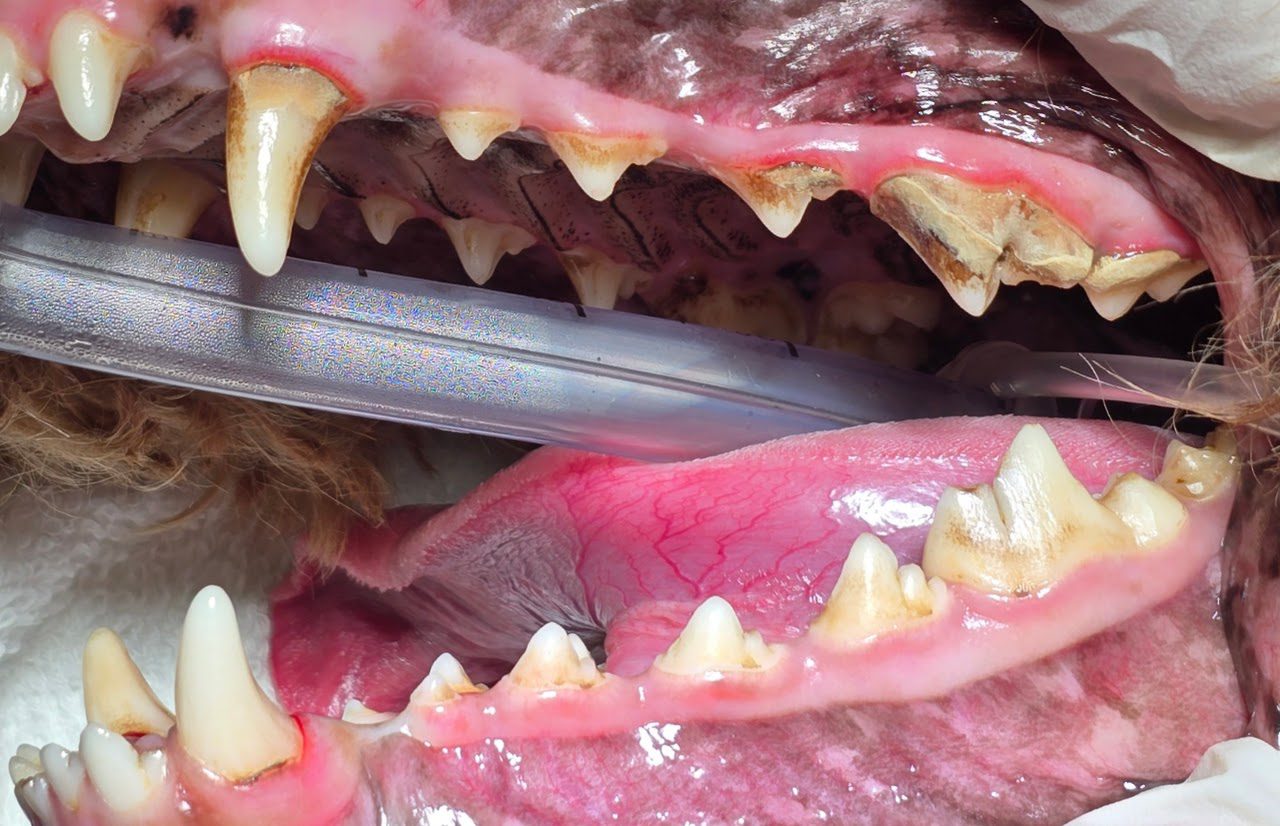
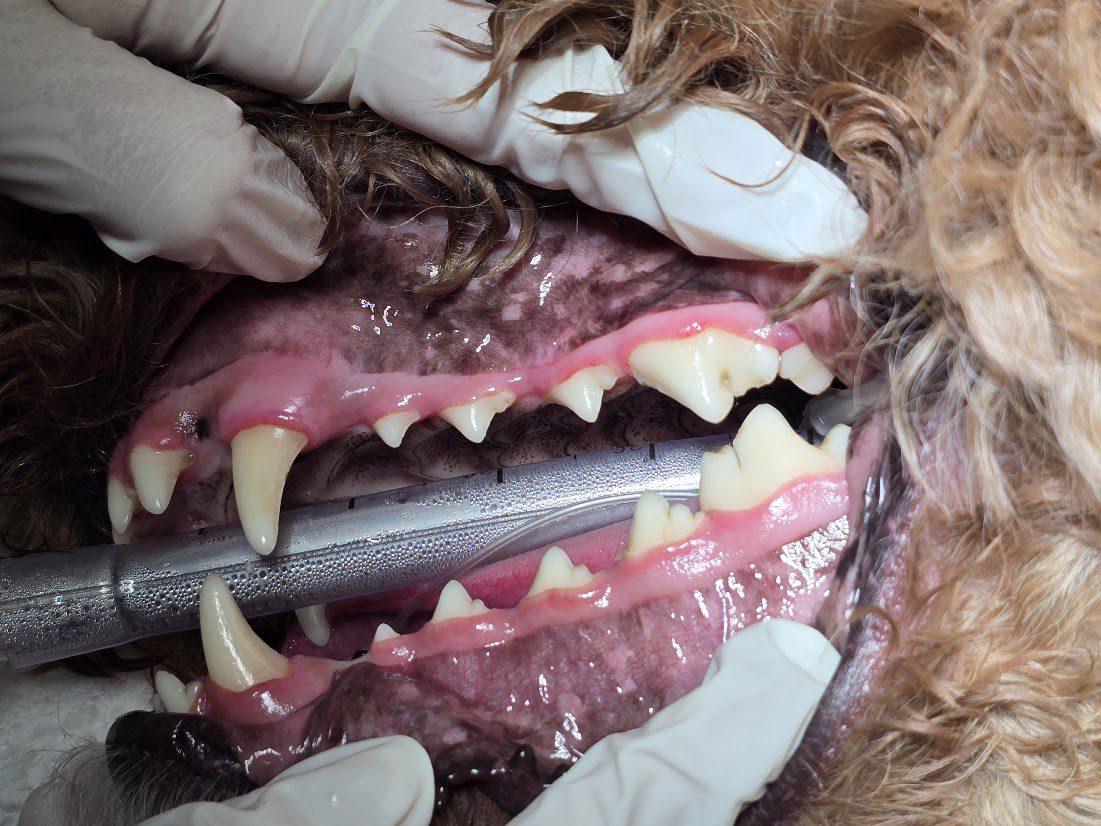
As tartar accumulates along and below the gumline, bacteria colonize the space between the tooth and the surrounding tissue (the periodontal pocket). This bacterial infection triggers an inflammatory response that progressively damages the gums, bone, and ligaments holding the tooth in place. Over time, this destruction leads to gum recession, bone loss, tooth mobility, nerve exposure beneath the gums, and eventually tooth loss. Smaller dogs do not have significant bone surrounding their jawbone in particular and are at a higher risk.
Which Dogs Are Most at Risk for Gum Disease?
While all dogs are susceptible to periodontal disease, certain factors increase the risk significantly:
- Small and toy breeds are disproportionately affected because their teeth are crowded in smaller jaws, creating tight spaces where bacteria accumulate rapidly
- Brachycephalic breeds such as Bulldogs, Pugs, and Shih Tzus have abnormal tooth alignment that makes plaque control more difficult
- Older dogs are at higher risk due to cumulative years of plaque and tartar accumulation without adequate treatment
- Pets with dermatological issues or allergies can also have oral lesions that directly affect their gums such as eosinophilic granuloma complex, pemphigus foliaceous, etc.
- Dogs without regular professional dental cleanings or at-home dental care develop disease faster and more severely than those with consistent oral care routines
- Dogs with systemic health conditions such as diabetes may have a more aggressive disease progression
Signs of Gum Disease in Dogs
Gum disease in dogs often progresses without obvious symptoms until it has reached an advanced stage. Pets will always eat when in pain as the alternative is to starve to death. This is why routine professional dental exams and dental X-rays are so essential. However, there are signs you can watch for at home that may indicate your dog has developed periodontal disease.
Early Signs of Canine Gum Disease
- Persistent bad breath (halitosis) that does not improve
- Red, swollen, or irritated gum tissue
- Gums that bleed easily when touched or during brushing
- Visible yellow or brown tartar buildup on the teeth, especially near the gumline
Signs of Advanced Periodontal Disease in Dogs
- Receding gums that expose the tooth root. All teeth should have a symmetric and horizontal gum line not a vertical appearance.
- Loose or missing teeth
- Changes in eating behavior, including reluctance to chew hard food or chewing on one side
- Pawing at the mouth or rubbing the face on surfaces
- Facial swelling, particularly below the eye, which can indicate a tooth root abscess
- Discharge or pus around the teeth or gums
Many dogs with significant gum disease continue eating and behaving normally because dogs are stoic about pain. The absence of obvious symptoms does not mean the mouth is healthy. Professional dental evaluation with dental radiographs is the only reliable way to assess the true extent of periodontal disease.
Stages of Gum Disease in Dogs
Veterinarians grade periodontal disease in dogs on a scale from one to four, where stage one represents early gingivitis with reversible inflammation and stage four represents severe bone loss and tissue destruction that may require tooth extraction.
Stage 1: Gingivitis
At this stage, inflammation is limited to the gum tissue and has not yet caused permanent damage to the underlying bone or ligament. Gingivitis is completely reversible with a professional cleaning and improved home care. This is the ideal stage at which to intervene.
Stages 2 and 3: Early to Moderate Periodontitis
At these stages, bone and ligament destruction has begun. The infection has spread below the gumline and the damage cannot be reversed, but it can be managed to prevent further progression. Treatment includes thorough professional cleaning above and below the gumline, and in some cases, more advanced periodontal therapy. Teeth that are moderately affected may be saved with appropriate treatment.
Stage 4: Severe Periodontitis
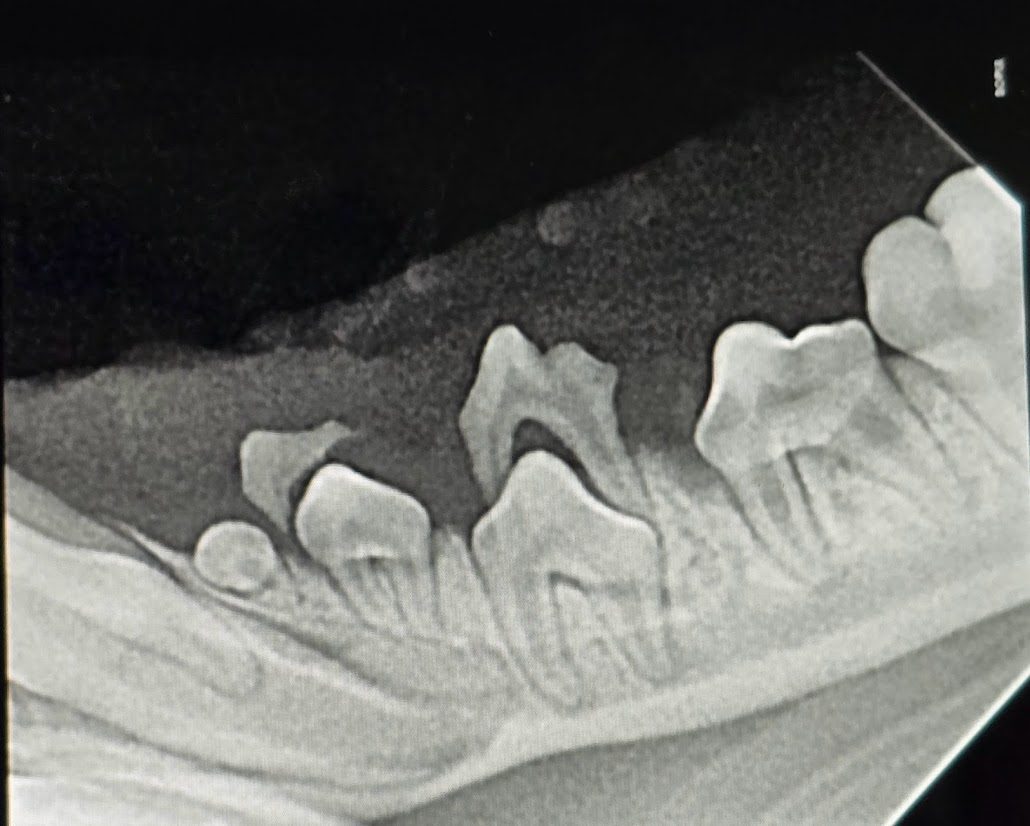
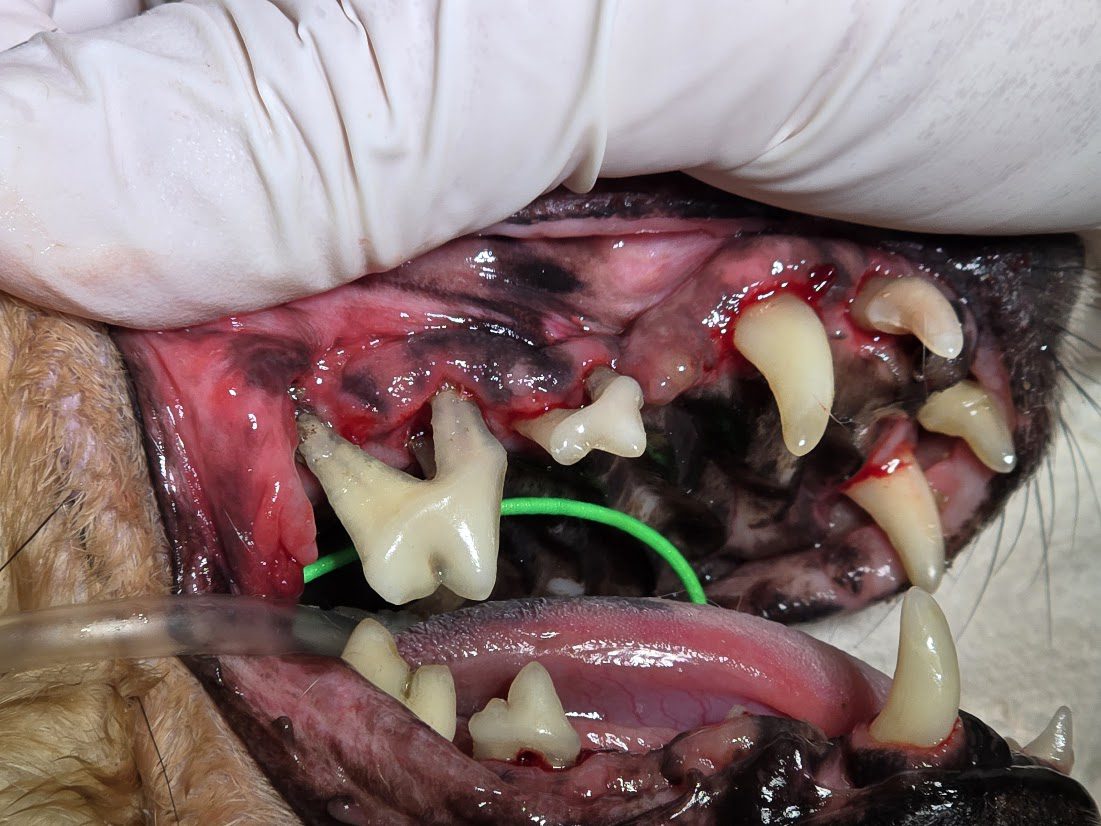
At the most advanced stage, significant bone loss has occurred and the affected tooth or teeth are often beyond saving. Extraction is typically the treatment of choice to eliminate the source of infection and relieve the chronic pain associated with severely affected teeth. While losing a tooth may seem dramatic, most dogs experience significant relief and a notable improvement in quality of life following extraction of a diseased tooth.
How Gum Disease in Dogs Is Diagnosed
Diagnosing canine gum disease requires more than a visual examination of the mouth. A complete periodontal evaluation is performed under anesthesia and includes probing the depth of the space between each tooth and the surrounding gum tissue, as well as full-mouth dental radiographs to assess bone levels around each tooth root. Both of these steps are standard at Houston Pet Dental, where every patient receives a comprehensive evaluation before any treatment begins. Don’t let anyone tell you your pet has perfectly fine teeth without performing a proper exam under anesthesia to include radiographing all 68 roots in dogs!
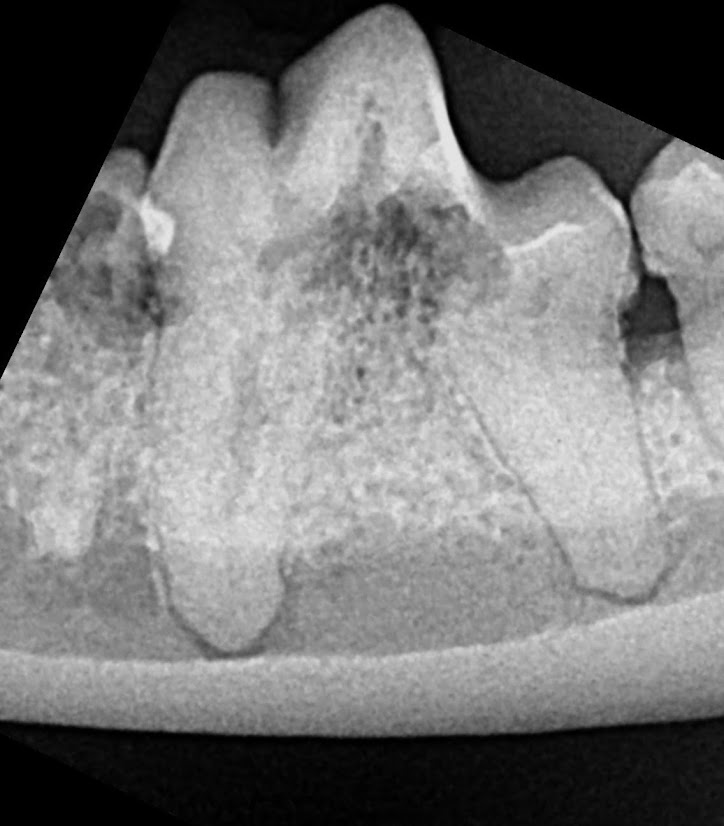
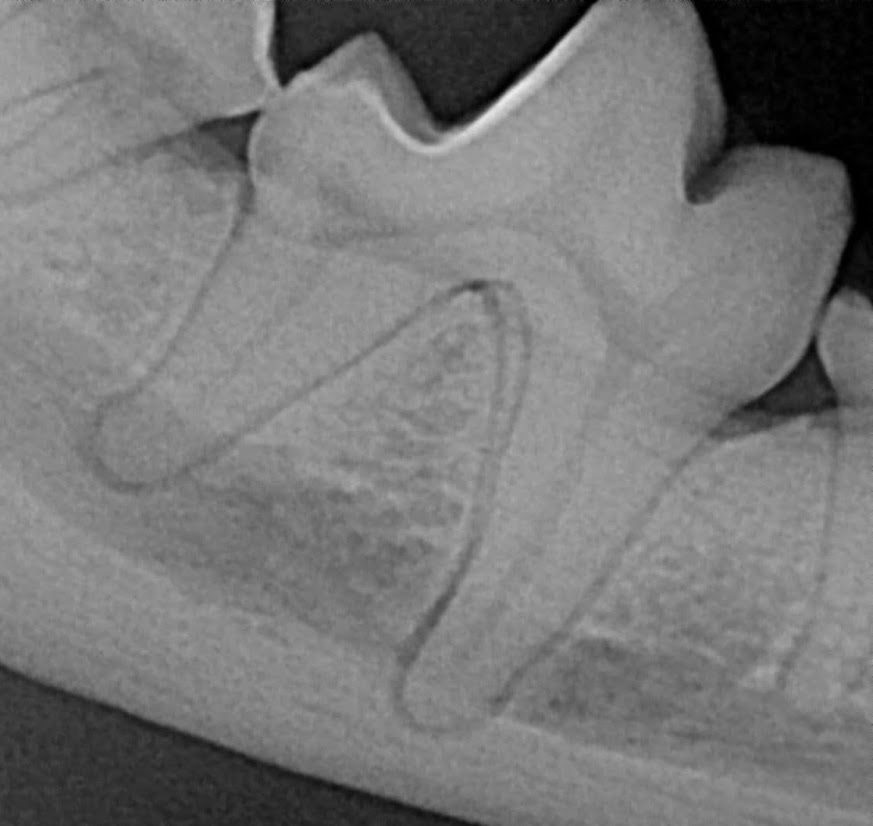
Dental radiographs are particularly critical for diagnosing periodontal disease because the extent of bone loss is not visible without imaging. A tooth can appear relatively normal on the surface while significant bone destruction is occurring beneath the gumline.
Preventing Gum Disease in Dogs
Prevention is always preferable to extraction when it comes to gum disease in dogs. However, keep in mind some painful conditions have nothing to do with brushing and everything to do with genetics. The most effective prevention strategy combines regular professional dental cleanings with consistent at-home care.
Professional Dental Cleanings
Annual professional cleanings under anesthesia remove tartar that cannot be addressed at home, clean below the gumline where disease originates, and provide dental radiographs that detect early disease before it becomes advanced. For small breeds and dogs with a history of periodontal disease, more frequent cleanings may be recommended.
At-Home Dental Care
Daily tooth brushing with pet-safe toothpaste is the most effective at-home prevention tool. It disrupts plaque before it can mineralize into tartar, slowing the progression of disease between professional cleanings. Veterinary-approved dental chews, water additives, and dental diets with the Veterinary Oral Health Council (VOHC) seal can provide additional support.
Gum Disease in Dogs Is Treatable, Not Inevitable
Periodontal disease may be the most common health condition diagnosed in dogs, but it is not something your dog simply has to live with. With proper veterinary care and a consistent home routine, gum disease in dogs can be prevented, managed, and treated at any stage. The earlier intervention occurs, the better the outcome for your dog’s oral health and overall quality of life.
If you are concerned about your dog’s gum health, or if your dog has not had a professional dental evaluation recently, reach out to Houston Pet Dental in Spring, Texas. Call us at 832-702-7599 today. Our team is experienced in diagnosing and treating all stages of canine periodontal disease and is committed to helping your pet maintain a healthy, comfortable mouth for years to come.
Want to learn more?
Please visit our information on oral diseases and dental gradings.
Recent Posts
About Us
Houston Pet Dental aims to provide affordable, high-end veterinary dental care for dogs and cats in the Houston, TX area. Contact us today or walk in for a complimentary consultation!