
How Often Do Dogs Need Dental Cleanings? More Than Just Clean Teeth
How often should dogs get dental cleanings? For most dogs, a professional dental cleaning is recommended once a year. However, the right frequency for your individual dog depends on their breed, size, age, home care routine, and the current state of their oral health. Some dogs need cleanings every six months, while others with naturally healthier mouths and excellent home care may go a bit longer between visits. What no dog should do is go years without one.
At Houston Pet Dental in Spring, Texas, our team evaluates each patient individually to create a dental care schedule that fits their specific needs. Here is what every dog owner should understand about professional dental cleanings and why they are about so much more than fresh breath.
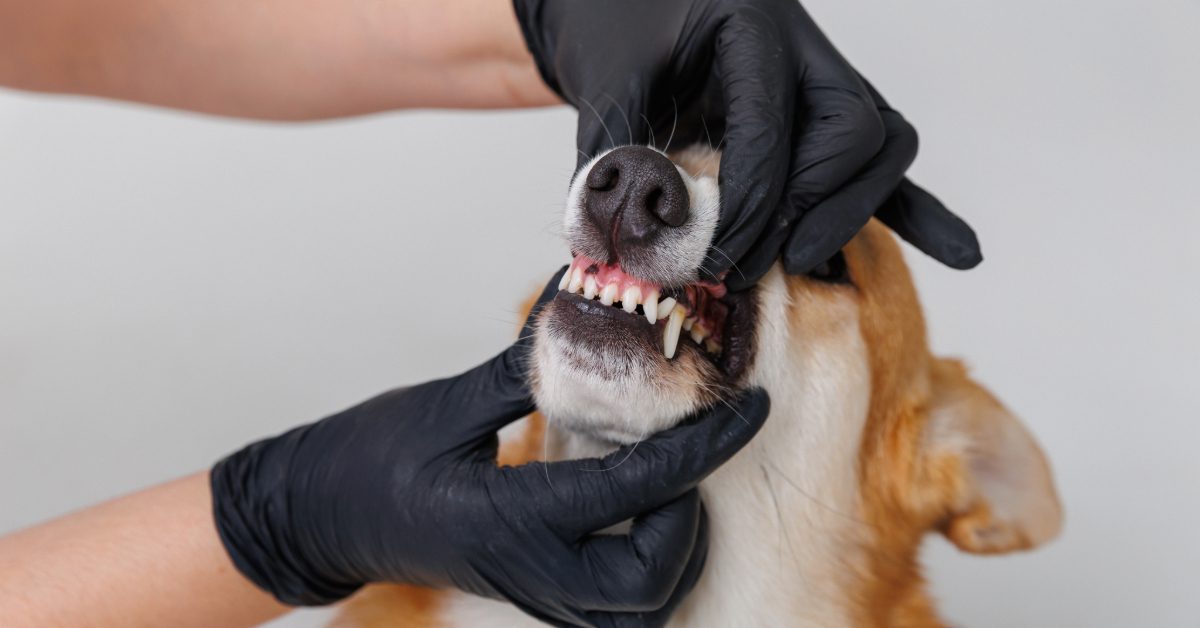
What Happens During a Professional Dog Dental Cleaning?
A professional dog dental cleaning is a comprehensive procedure performed under general anesthesia. It includes scaling to remove tartar and plaque from the tooth surfaces and below the gumline, polishing to smooth the enamel and discourage future plaque accumulation, full-mouth dental X-rays to evaluate root health and bone structure, and a thorough oral exam to identify any disease, fractures, or abnormalities that need to be addressed. This is an important and life saving step. If a cancerous mass is detected under the tongue or along the gingiva while it is small, treatment is often curative. As pets age, their chance of having oral tumors increase. Oral tumors are the 4th most common tumors noted in dogs.
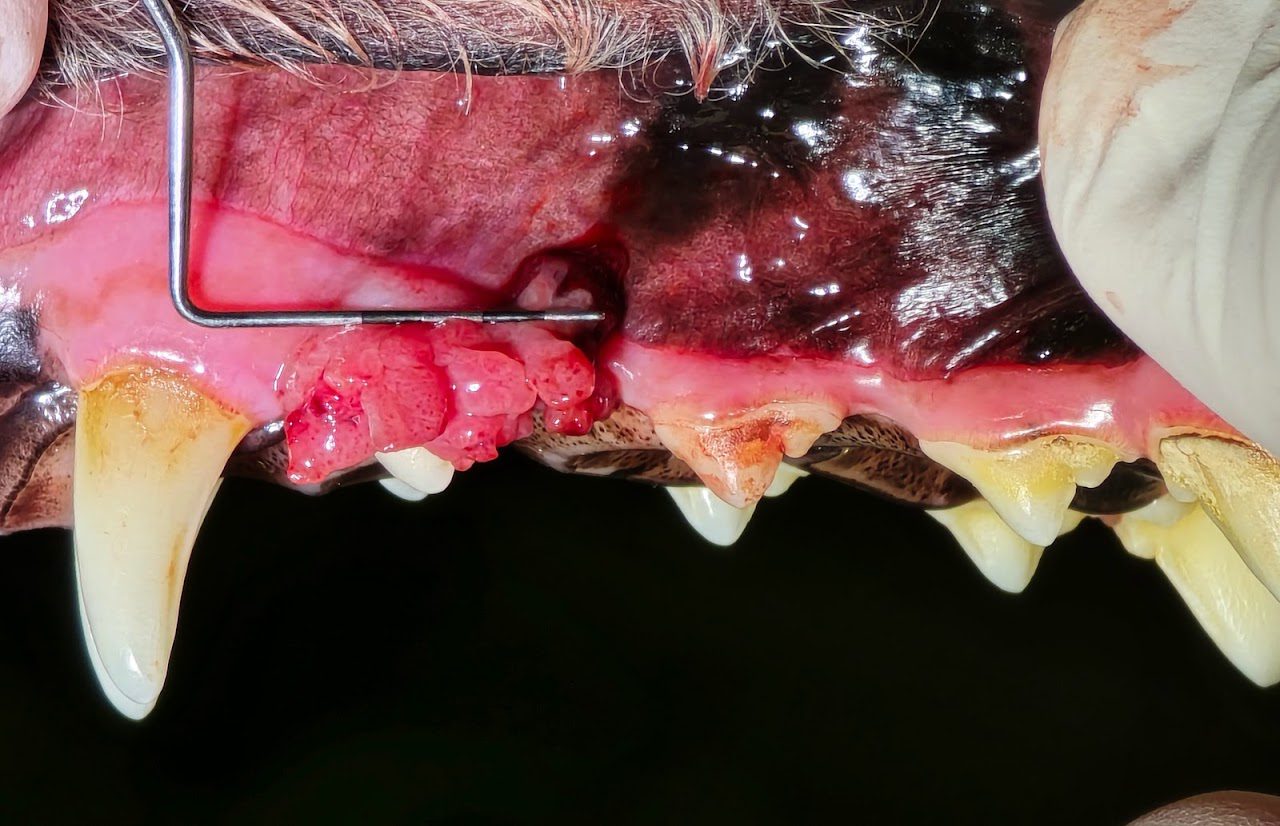
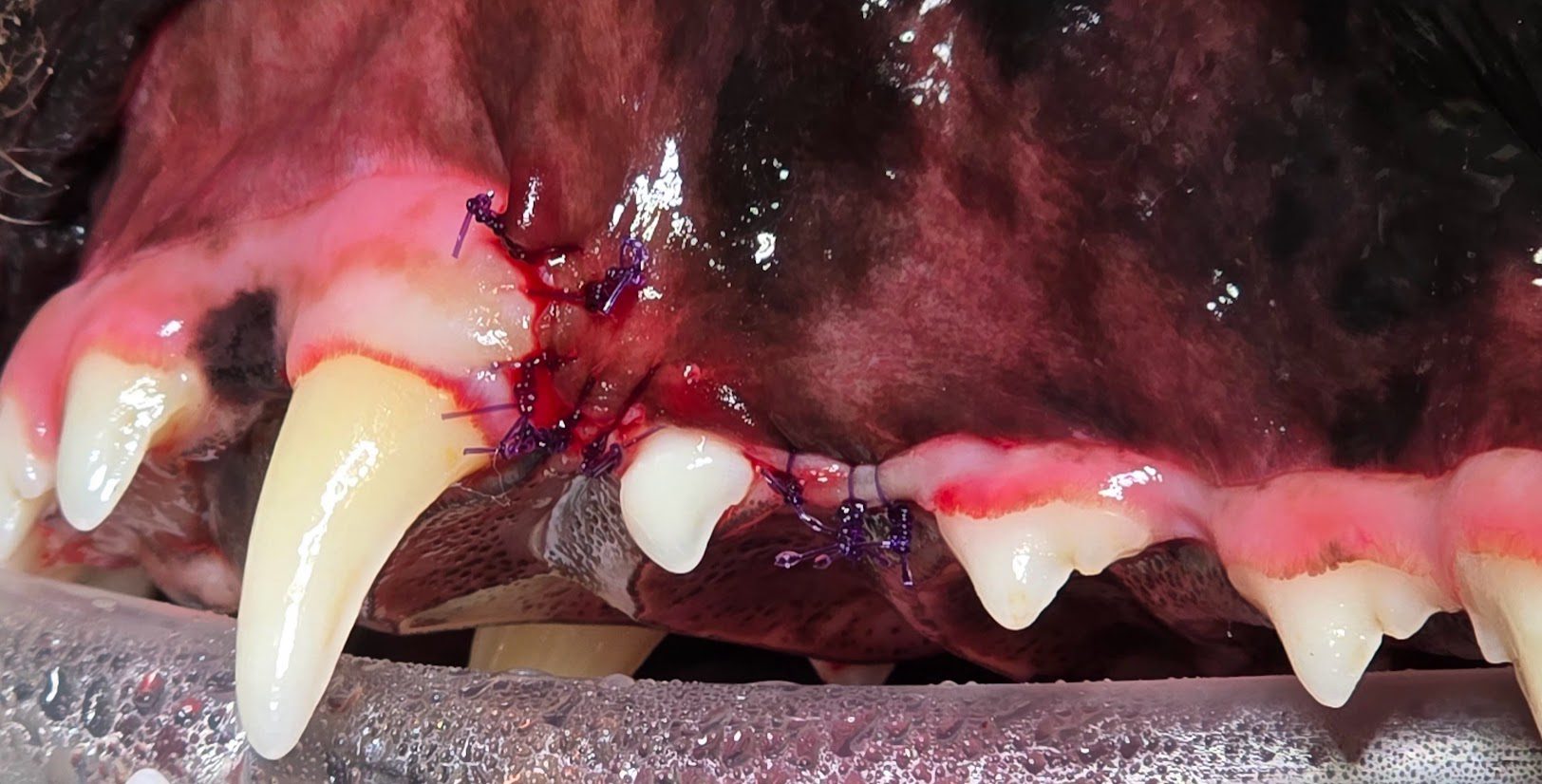
This is very different from a cosmetic cleaning that only addresses what is visible on the crown of the tooth. The subgingival (below the gumline) cleaning component is essential for treating and preventing periodontal disease, which is the most common dental condition in dogs. Without it, plaque and tartar accumulate in the pocket between the tooth and gum, leading to infection, bone loss, and eventual tooth loss.
How Often Should Dogs Get Dental Cleanings?
Most veterinary dental guidelines recommend annual professional dental cleanings for dogs. This frequency gives our veterinary team a regular opportunity to catch problems early, remove disease-causing buildup, and track changes in your dog’s oral health over time. Annual dental X-rays taken at each cleaning serve as a critical baseline for comparison. Keep in mind that pets age approximately 6-7 years to your 1 year. Most pets will not tolerate daily brushing, flossing, etc. so this allows disease to advance quickly. Some pets may also have overcrowding, which increases their chances of disease.
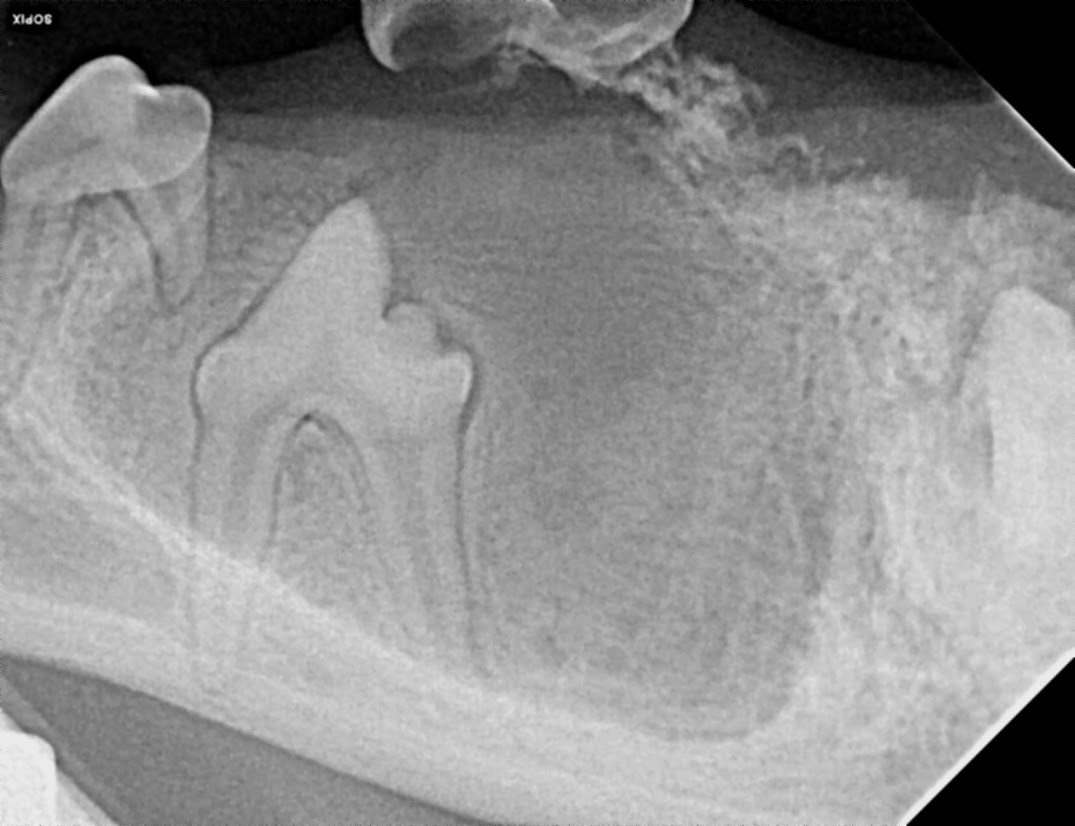
That said, some dogs need more frequent cleanings. Toy breeds and small dogs are particularly prone to periodontal disease because their teeth are crowded into smaller jaws, creating tight spaces where plaque accumulates rapidly. Brachycephalic breeds with flat faces, such as Bulldogs, Pugs, and Shih Tzus, also tend to have more complicated dental anatomy that accelerates disease. For these dogs, cleanings every six months may be appropriate. Starting with early assessments is best to avoid worsening disease such as dentigerous cysts and subsequent jaw fracture. Just because your pet is only 12 months old does not mean they can’t have a compromised jaw. Pay close attention to any missing crowns!
Factors That Affect How Often Your Dog Needs a Dental Cleaning
- Breed and size: Small and toy breeds develop periodontal disease more quickly and often need more frequent cleanings than large breeds.
- Age: Older dogs tend to accumulate more dental disease and may require more frequent professional care as they age.
- Diet: Dogs fed wet or soft food may accumulate plaque faster than those on dry kibble, though no diet eliminates the need for professional cleanings.
- Home care: Dogs whose owners brush their teeth regularly and use veterinary-approved dental products tend to maintain healthier mouths between cleanings.
- History of dental disease: A dog that has had significant periodontal disease, extractions, or other dental work in the past typically needs more frequent monitoring and cleaning.
Why Annual Dog Dental Cleanings Matter Beyond Fresh Breath
When people think about dog dental cleanings, they often think about bad breath. While a professional cleaning absolutely does improve the smell of your dog’s mouth, the real benefits run far deeper than that. Dental disease in dogs is not just an oral health problem. It is a systemic health problem.
Periodontal disease allows bacteria from the mouth to enter the bloodstream, where they can travel to the heart, kidneys, and liver. Regular dental cleanings reduce the bacterial load in the mouth and lower the risk of these downstream health consequences.
What Untreated Dental Disease Costs Your Dog
Dogs with untreated periodontal disease experience chronic pain and inflammation that affects their quality of life in ways owners often do not recognize. Because dogs are stoic by nature and will continue eating and playing despite significant oral pain, the signs of dental disease are frequently overlooked until the condition is quite advanced.
By the time visible symptoms appear, bone loss and tooth damage have often already occurred. Annual cleanings catch disease before it reaches this stage, making treatment simpler, less expensive, and far less impactful on your dog’s comfort and overall health.
Signs Your Dog May Need a Dental Cleaning Sooner
Even if your dog is not yet due for their annual cleaning, certain signs suggest a dental evaluation should not wait. If you notice any of the following, schedule an appointment with Houston Pet Dental in Spring, Texas:
- Persistent bad breath that does not improve after eating or drinking
- Yellow, brown, or gray buildup on the teeth
- Red, swollen, or bleeding gums
- Pawing at the mouth or rubbing the face on furniture
- Dropping food while eating or showing reluctance to chew hard food
- Visible swelling on the face, particularly below the eye (which can indicate a tooth root abscess)
- Excessive drooling or a sudden change in behavior at mealtimes
- Gulping food instead of chewing
- Regurgitating food after eating rapidly
What Your Dog’s Dental Cleaning Schedule Should Look Like
For most adult dogs, the ideal dental cleaning schedule includes an annual professional cleaning with full-mouth dental X-rays, combined with consistent at-home care between appointments. Your veterinarian at Houston Pet Dental will help you determine whether your dog would benefit from more frequent cleanings based on their individual oral health status, breed, and history.
Puppies should have their first oral health evaluation early in life to identify any developmental abnormalities and to establish a baseline. Senior dogs benefit from more vigilant monitoring, as dental disease tends to progress more rapidly with age and may warrant more frequent professional care.
Dog Dental Cleanings Are Preventive Care, Not Just Reactive Treatment
The question of how often dogs should get dental cleanings is really a question about how proactive you want to be about your dog’s health. Regular dental cleanings are one of the most impactful preventive care steps you can take for your dog’s long-term wellbeing. They reduce pain, prevent systemic disease, and allow small problems to be caught and treated before they become major, costly procedures. If reducing pain in your pet’s life is a high priority, then more frequent assessments are indicated.
If your dog has not had a professional dental cleaning recently or has never had one, call Houston Pet Dental at 832-702-7599. Our team is ready to evaluate your dog’s oral health, answer your questions about how often your specific dog should get dental cleanings, and help you build a care plan that keeps your pet healthy for years to come.
Recent Posts
About Us
Houston Pet Dental aims to provide affordable, high-end veterinary dental care for dogs and cats in the Houston, TX area. Contact us today or walk in for a complimentary consultation!