
How Many Dental Cleanings Does Your Dog Need in a Lifetime?
How many dental cleanings does a dog need in a lifetime? The answer depends on how long your dog lives, their breed, size, oral health history, and the quality of at-home dental care they receive. But if you use the standard veterinary recommendation of one professional cleaning per year as a baseline, a dog that lives 12 to 15 years may need anywhere from 10 to 15 or more dental cleanings over the course of their life. That number can be higher for small breeds prone to rapid dental disease or lower for large breeds with excellent home care routines. Our pets are living much longer lives and prevention today is far more important than treatment when they are older. If you want to keep as many teeth as possible, then more frequent cleanings are necessary just like in humans.
At Houston Pet Dental in Spring, Texas, our team helps pet owners think about their dog’s dental health as a lifelong commitment, not a one-time event. This blog will provide practical look at what dental cleanings for dogs look like from puppyhood through the senior years.
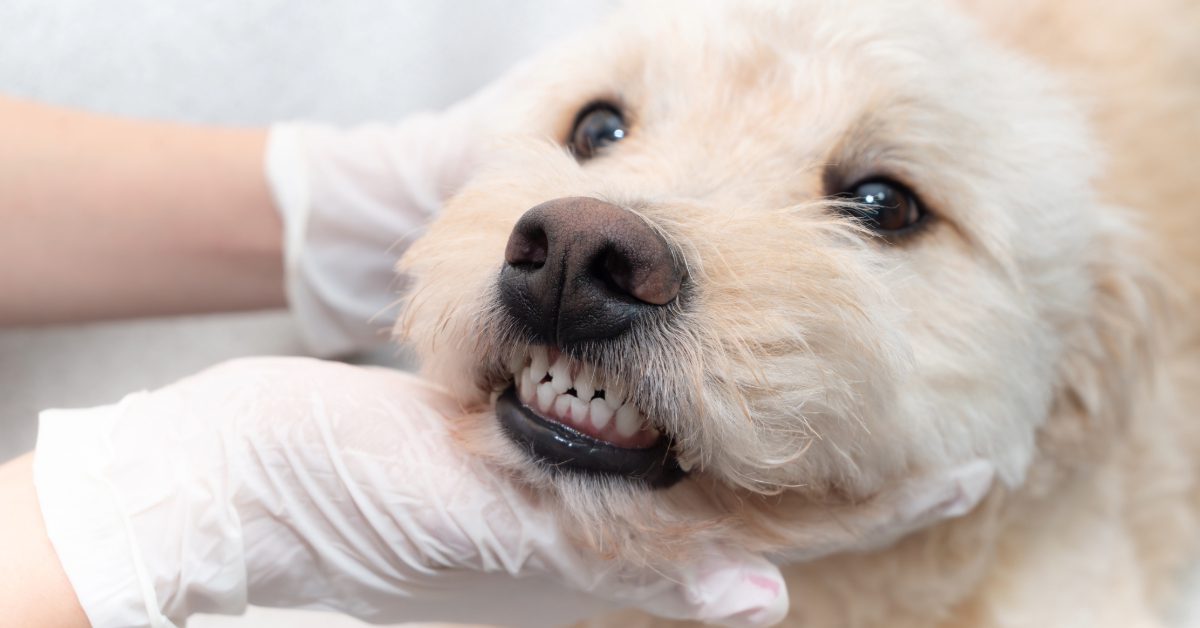
Why Thinking About a Dog’s Lifetime Dental Needs Matters
Many pet owners do not schedule their dog’s first dental cleaning until there is an obvious problem, such as bad breath, visible tartar, or a behavioral change around food. By this point, dental disease has already been developing quietly for months or years.
The goal of regular, scheduled dental cleanings is to prevent disease from advancing to a stage that requires extractions, complex surgical procedures, or systemic treatment. Dogs that receive consistent professional dental care throughout their lives tend to keep more of their teeth, experience less chronic pain, and have better overall health outcomes as they age.
Dental Cleanings by Life Stage
The number of dental cleanings a dog needs varies across different stages of life. Each phase brings its own dental challenges and priorities. Typically the more prevention performed earlier in your pet’s life allows us to reduce anesthesia events when they are older.
Puppies and Young Dogs (Ages 0 to 2)
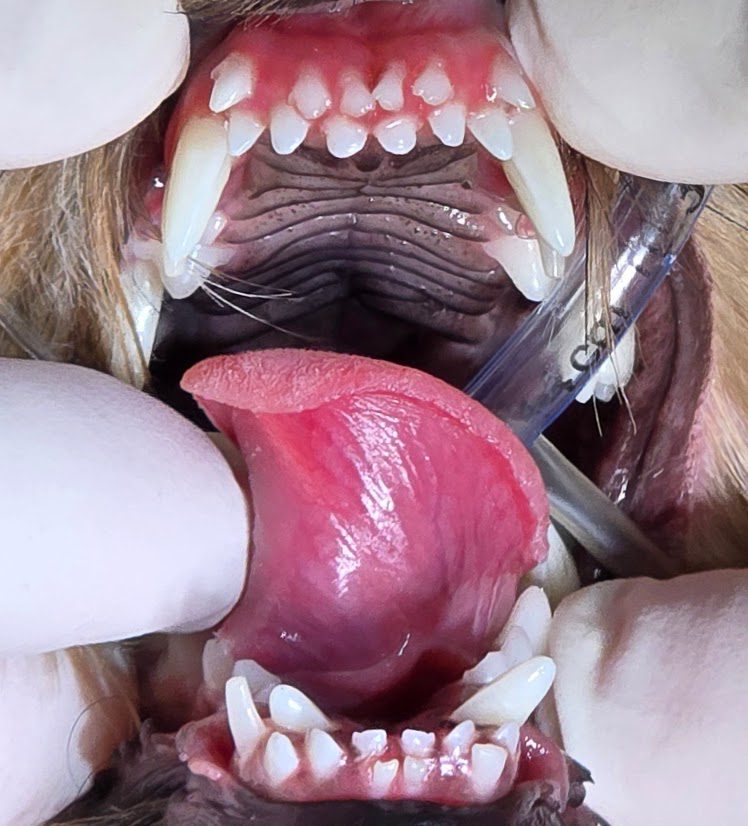
Puppies have deciduous (baby) teeth that are replaced by permanent teeth between 3 and 6 months of age. During this transition, our veterinary team watches for retained deciduous teeth, which are baby teeth that do not fall out as they should and can crowd permanent teeth, interfere with bite alignment, and accelerate periodontal disease.
Most young adult dogs have their first professional cleaning between 1 and 2 years of age. Small breeds may benefit from starting even earlier, as they tend to accumulate plaque and develop periodontal disease more quickly than large breeds. This first cleaning establishes a dental baseline and often reveals any developmental abnormalities that need to be addressed.
Adult Dogs (Ages 2 to 7)
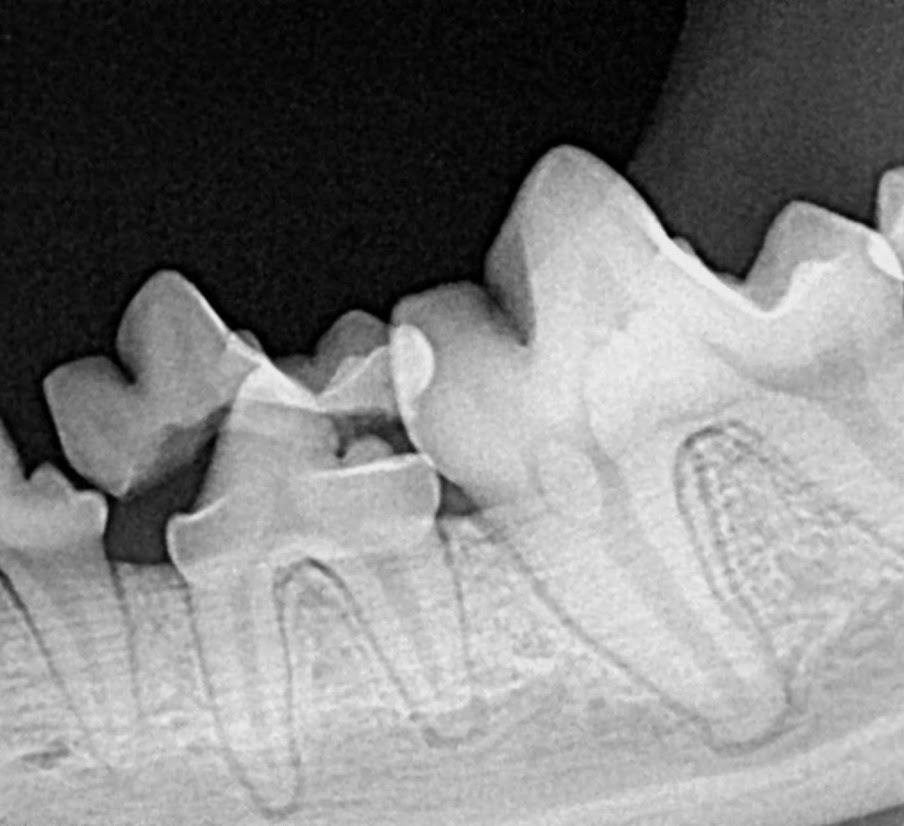
During the adult years, annual professional dental cleanings are the standard recommendation for most dogs. Young dogs commonly playing tug of war or chewing hard objects will fracture their teeth or injure their mouths. Some fractured teeth will be visible and some will not. The only way you will know is with a proper assessment. In these years, the goal is to stay ahead of plaque and tartar accumulation and monitor for damaged teeth. Dogs that receive annual cleanings during this phase of life enter their senior years in significantly better oral health than those who do not. Routine preventative cleanings also require less anesthesia than longer oral surgeries.
For small and toy breeds such as Chihuahuas, Yorkshire Terriers, Dachshunds, and Maltese, twice-yearly cleanings during the adult years are often recommended. This may seem like a LOT of anesthesia, however when you consider they age 6-7 years to our 1, it would be the equivalent to you having anesthesia performed every 3 years. When performed safely anesthesia is considered a low risk. The alternative is to allow disease to advance, requiring more anesthesia time. These breeds are disproportionately affected by periodontal disease, and the rate at which disease develops means annual intervals may not be sufficient to stay ahead of the damage. Even dogs that are behaving normally can have painful foreign bodies lodged in their mouths.
Senior Dogs (Ages 7 and Older)
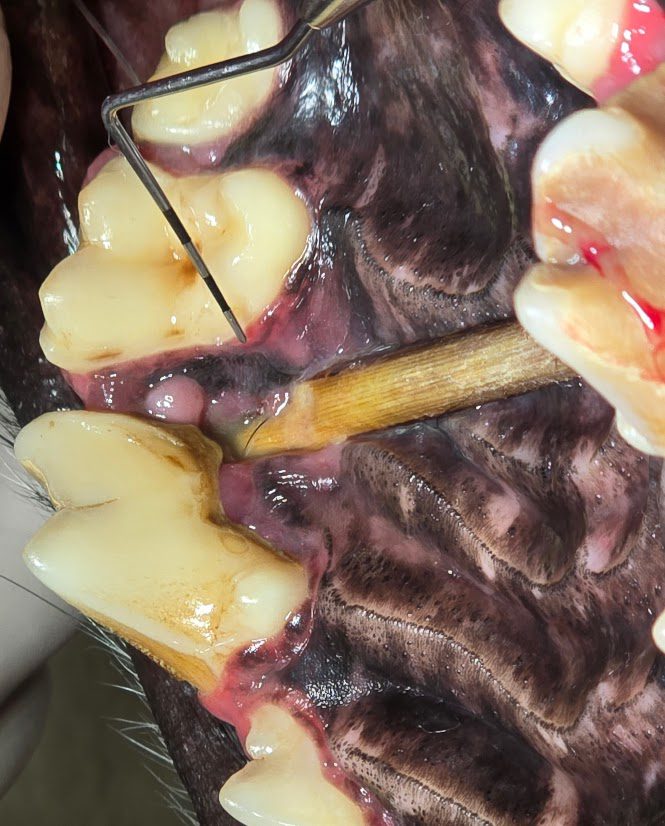
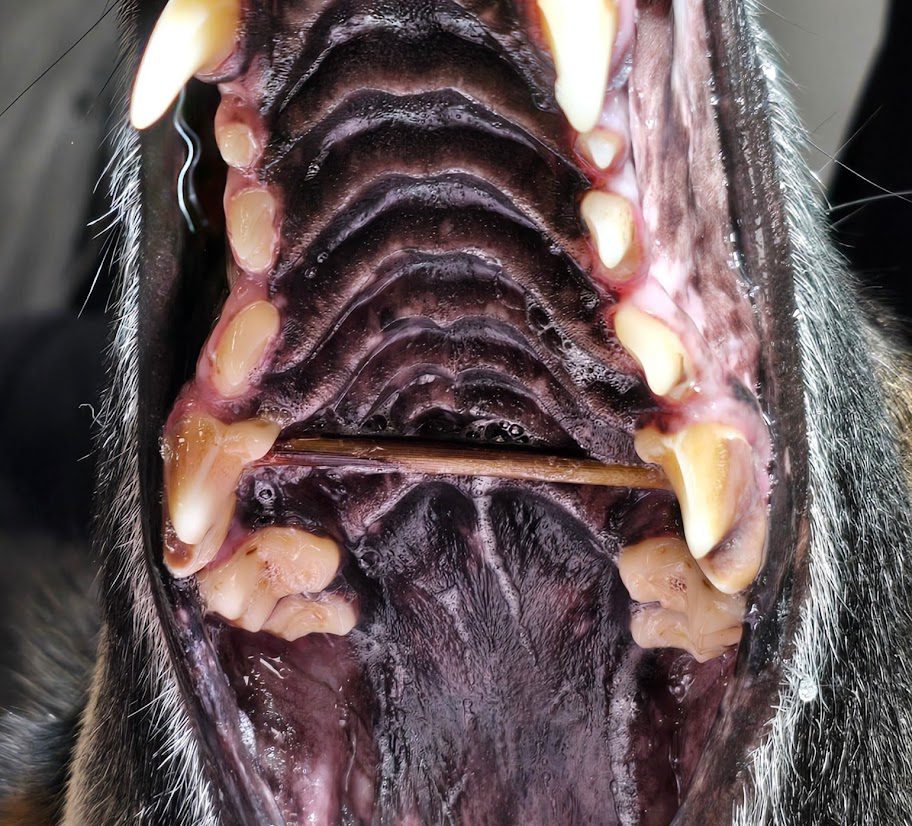
Senior dogs often have reduced chewing behavior. This can allow tartar to accumulate more rapidly as a result of this decrease in chewing. At the same time, many senior dogs carry existing bone loss, missing teeth, or other conditions from earlier years that require close monitoring. As pets get older their chances of developing oral cancer unfortunately increases. Early detection is essential in order to provide a curative outcome. This means weekly inspection from the owner for ANY abnormal growths, facial swelling, asymmetrical eye appearance, missing teeth, shifting teeth, etc. is necessary.
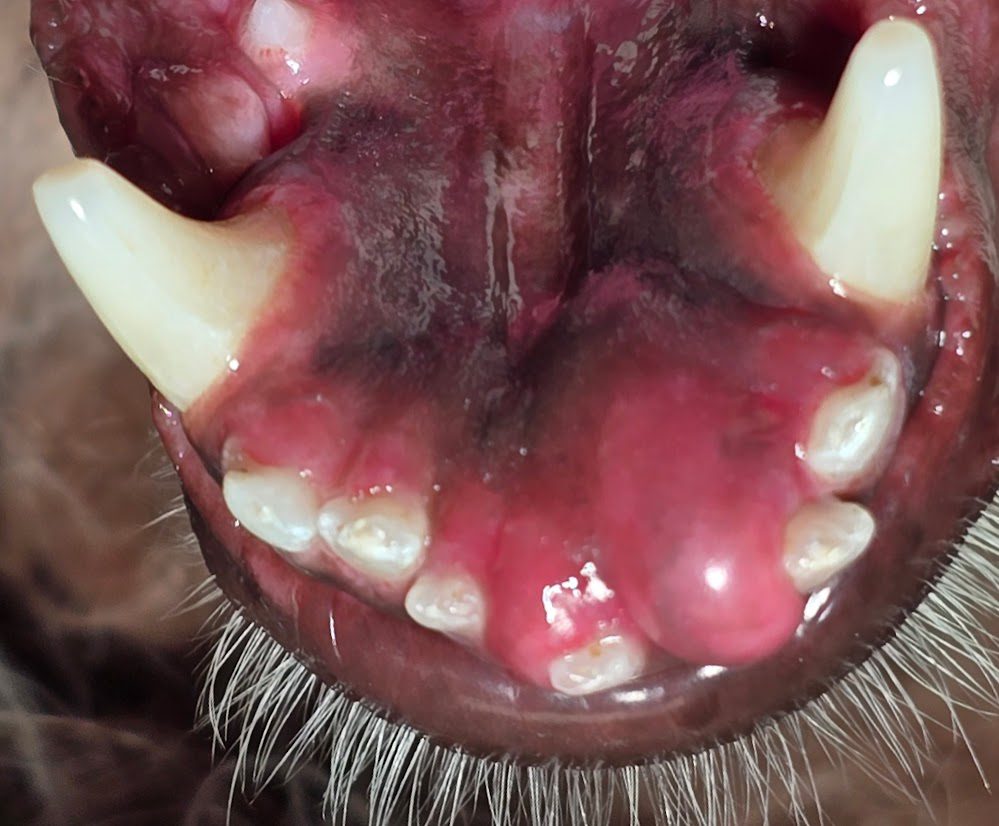
Pre-anesthetic bloodwork becomes especially important for senior dogs to ensure their organ function supports safe anesthesia. At Houston Pet Dental, our team adjusts anesthetic protocols for senior patients and monitors them with particular care throughout each procedure.
How Many Dental Cleanings Does a Dog Need? Estimates by Breed Size
While individual variation always applies, below is a general estimate of how many dental cleanings a dog might need over a lifetime, based on size and average lifespan. Genetics and anatomy are strong indicators of the frequency.
- Small breeds (under 20 lbs, lifespan 12 to 16 years): 10 to 15 or more cleanings, often at 6-month intervals, due to elevated disease risk
- Medium breeds (20 to 50 lbs, lifespan 10 to 13 years): 5 to 7 cleanings during their lifetime
- Large and giant breeds (50+ lbs, lifespan 8 to 12 years): 2 to 4 cleanings during their lifetime
These are estimates based on typical recommendations. Your veterinarian at Houston Pet Dental will give you a personalized recommendation based on your specific dog’s oral health status, history, and needs depending on radiographic findings and not guesswork.
What Happens If a Dog Misses Years of Dental Cleanings?
Even if your dog misses years of dental cleanings, it is never too late to start. Dogs who have not had professional dental cleanings in years typically present with significant tartar buildup, some degree of periodontal disease, and often teeth that need to be extracted. Pets are living much longer lives and we need to prepare for that.
The first cleaning for these patients tends to be more involved than a routine annual cleaning, but it still delivers real relief and meaningful improvement in quality of life. Keep in mind we are cleaning off YEARS of buildup and gingivitis, and it may not be reversible. After that first restorative cleaning, returning to an annual or more frequent schedule helps prevent disease from progressing further and protects the teeth and bone that remain.
At-Home Care Between Cleanings
The number of professional dental cleanings a dog needs in a lifetime can be influenced by the quality of at-home dental care provided between appointments. Daily tooth brushing with a pet-safe toothpaste is the single most effective at-home tool for slowing plaque accumulation and extending the time between significant tartar buildup. However, brushing your dog’s teeth once a month will do very little to have a significant impact. Veterinary-approved dental chews, water additives, and dental diets can also contribute to better oral health maintenance.
That said, at-home care does not replace professional cleanings. It complements them. Even the most diligent home brushing routine cannot clean below the gumline or replace the diagnostic value of dental radiographs. Professional cleanings and home care work together as part of a complete dental health plan.
Building a Lifetime Dental Plan for Your Dog
Understanding how many dental cleanings a dog needs over a lifetime empowers you to plan proactively rather than reactively. Regular professional cleanings, combined with consistent at-home care and prompt attention to any changes in your dog’s oral health, give your pet the best possible chance of a comfortable, disease-free mouth throughout their life.
If you are ready to start or restart your dog’s dental care journey, the team at Houston Pet Dental in Spring, Texas is here to help. Whether your dog has never had a cleaning or it has simply been too long since the last one, the practice offers comprehensive, compassionate care at every stage of your pet’s life. Call us today at 832-702-7599 to schedule a dental evaluation and get started on a plan that works for your dog.
Recent Posts
About Us
Houston Pet Dental aims to provide affordable, high-end veterinary dental care for dogs and cats in the Houston, TX area. Contact us today or walk in for a complimentary consultation!