
Why Dental X-Rays Matter More Than a Cleaning Alone
Pet dental X-rays are one of the most important diagnostic tools in veterinary dentistry, yet they are often the part of oral care that pet owners know least about. You simply can not treat what you can not see. The importance of pet dental X-rays comes down to a simple truth: the majority of a dog’s or cat’s tooth structure lies beneath the gumline, completely hidden from the naked eye. A visual exam alone, no matter how thorough, cannot tell your veterinarian what is happening below the surface. Dental radiographs can. At Houston Pet Dental in Spring, Texas, dental X-rays are a standard part of every cleaning and dental procedure, not an optional upgrade. This blog will discuss why that commitment to full-mouth imaging matters so much for your pet’s long-term health and why it’s more than a recommendation.
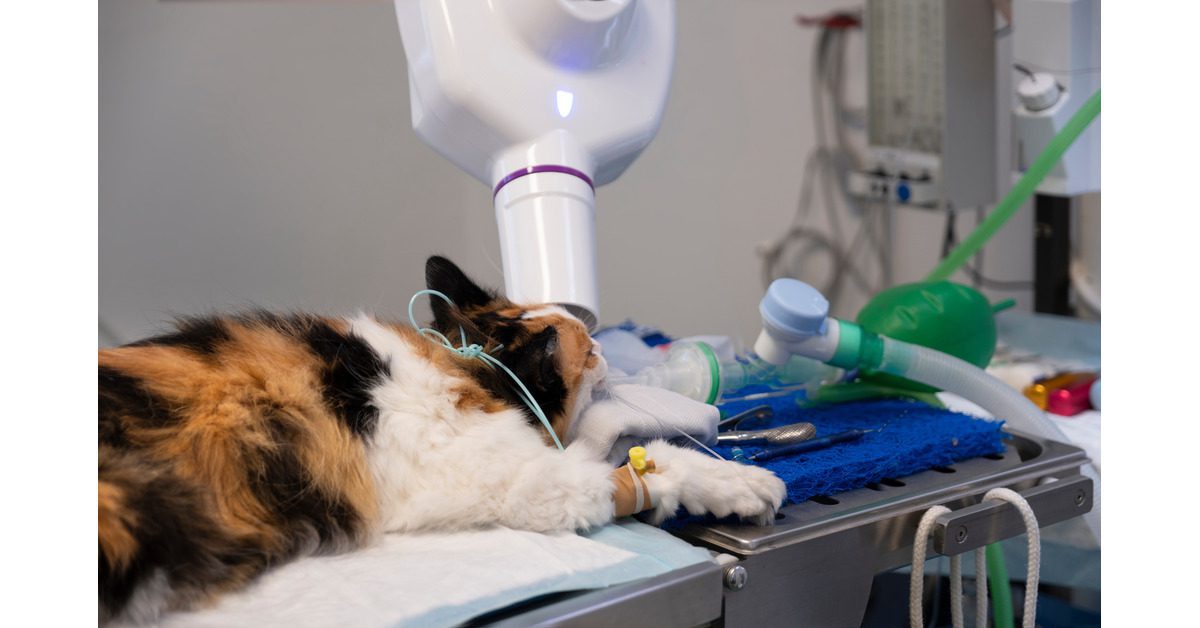
What Are Pet Dental X-Rays?
Pet dental X-rays, also called dental radiographs, are images of the teeth, tooth roots, jawbone, and surrounding structures taken while your pet is under anesthesia. Because dogs and cats cannot hold still or cooperate the way a human patient can, general anesthesia is required to take proper, high-quality dental radiographs. This also means the imaging can be done thoroughly, with every tooth properly positioned and captured.
Modern veterinary dental practices use digital dental radiography, which produces high-resolution images quickly and exposes your pet to a minimal amount of radiation. The sensor is placed inside the mouth, adjacent to the teeth being imaged, and the resulting pictures give your veterinarian a detailed view of anatomy that no other tool can provide.
Why Are Dental X-Rays Important for Pets?
The importance of pet dental X-rays is best understood when you consider that roughly 60% of a tooth’s structure is located below the gumline. Root disease, bone loss, tooth resorption, retained root tips, and jaw lesions are all invisible during a standard oral exam. Without radiographs, these conditions go undetected, and untreated dental disease progresses silently, often causing significant pain before any visible signs appear.
Here are some of the critical findings that dental X-rays can reveal in dogs and cats:
- Tooth root abscesses that show no visible swelling or drainage on the surface
- Bone loss around the roots caused by periodontal disease that looks mild from the outside
- Tooth resorption (common in cats), where the tooth structure is being eroded from within
- Retained root fragments left behind from previous extractions or tooth fractures
- Unerupted or impacted teeth that can form cysts or damage adjacent teeth
- Jaw fractures or lesions, including tumors that may not be visible or palpable
- Abnormal root anatomy that affects how extractions need to be performed
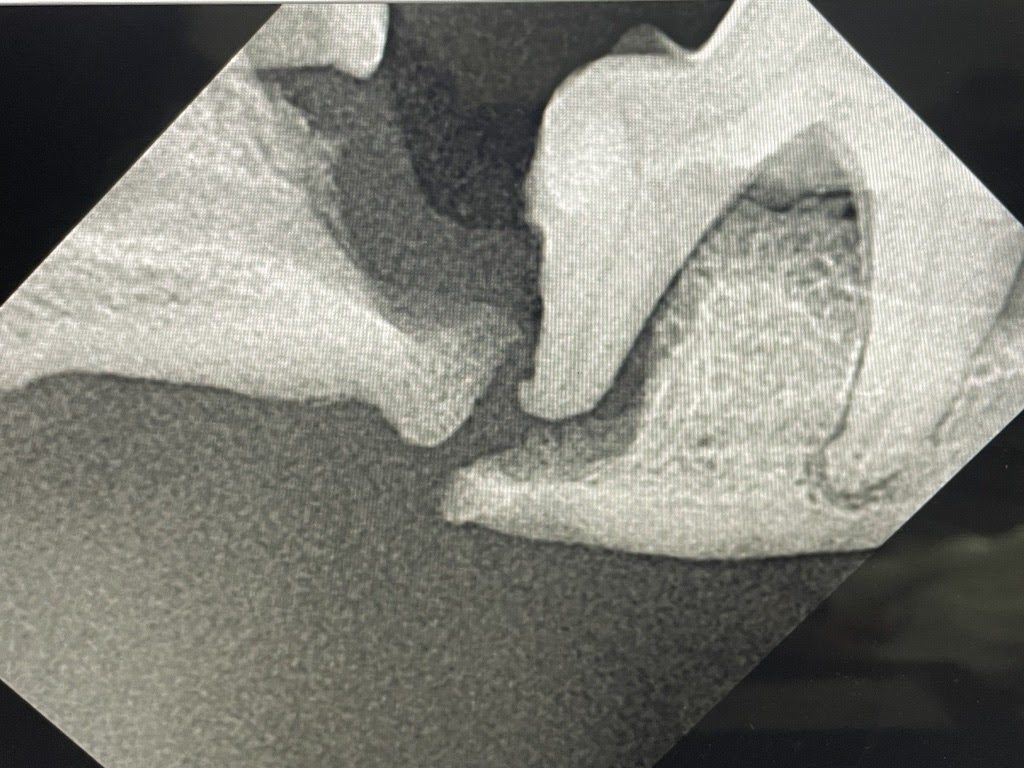
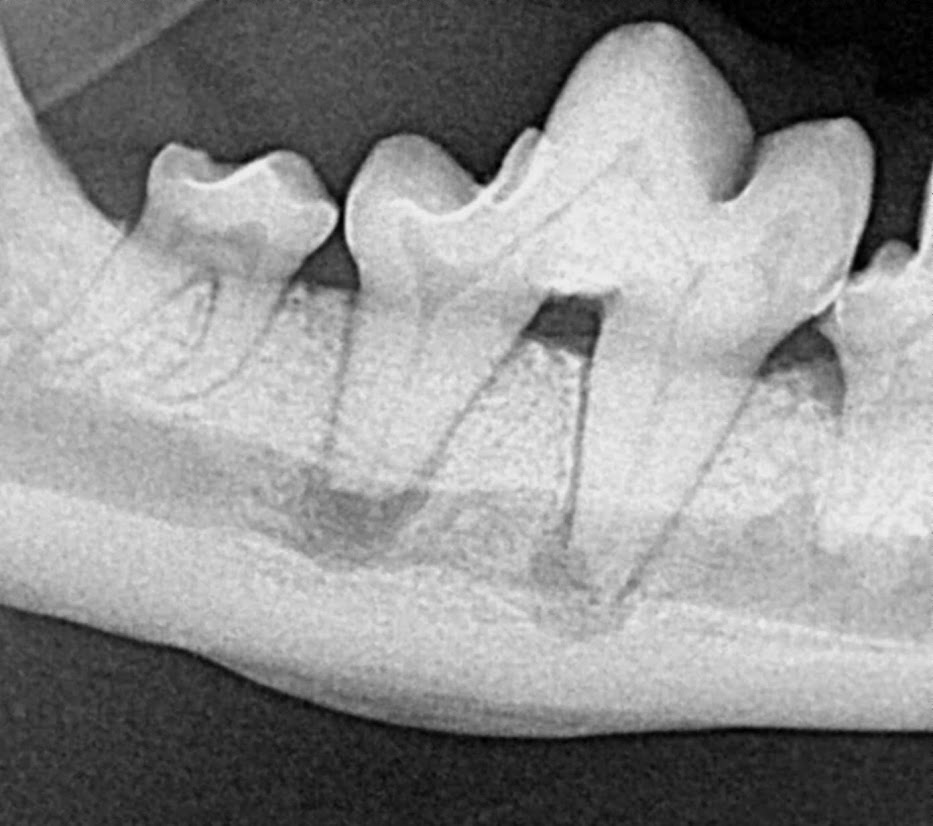
Can a Vet Tell If My Pet Has a Dental Problem Without X-Rays?
This is one of the most common questions veterinary dental teams hear from pet owners, and the honest answer is: not reliably. Your veterinarian can identify visible problems such as broken teeth, obvious tartar buildup, inflamed gums, or oral masses during a physical exam. But the conditions that cause the most damage, including root abscesses, advanced bone loss, and tooth resorption, are simply not detectable without imaging. Roughly only 10% of tooth root abscesses are visible when the infection drains through the bone beneath the eye or other locations. This means that 90% of the most commonly damaged teeth we see are left untreated.
Dental radiographs reveal clinically significant findings in a large percentage of teeth that appear normal on visual examination. This means that a cleaning without X-rays frequently leaves real disease untreated.
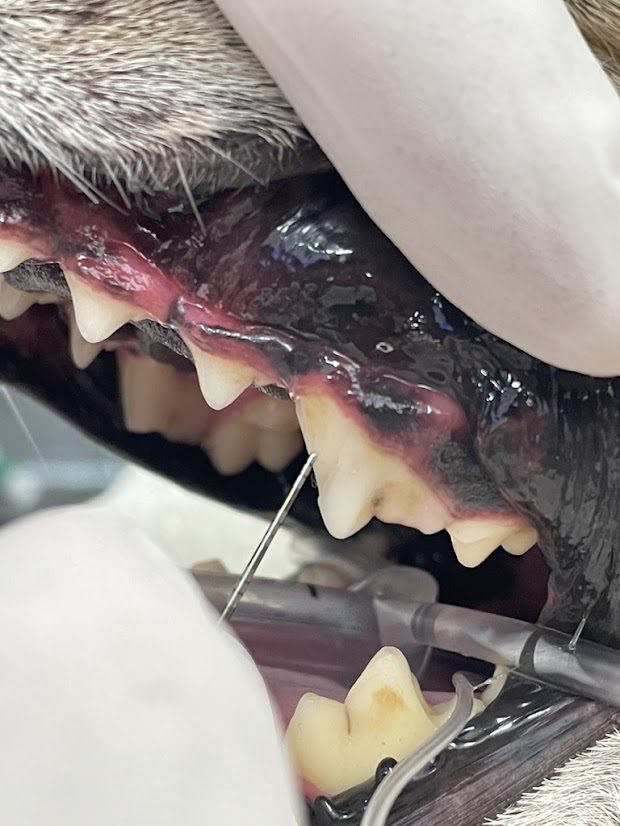
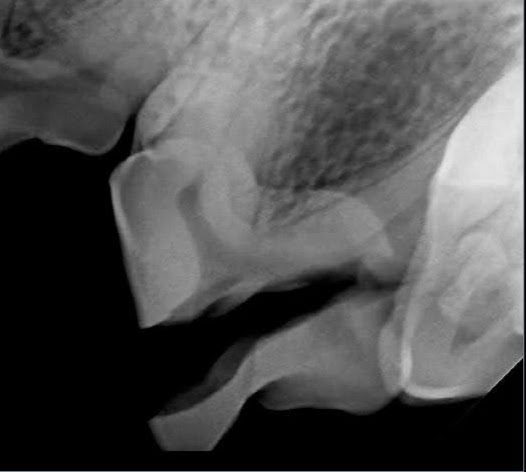
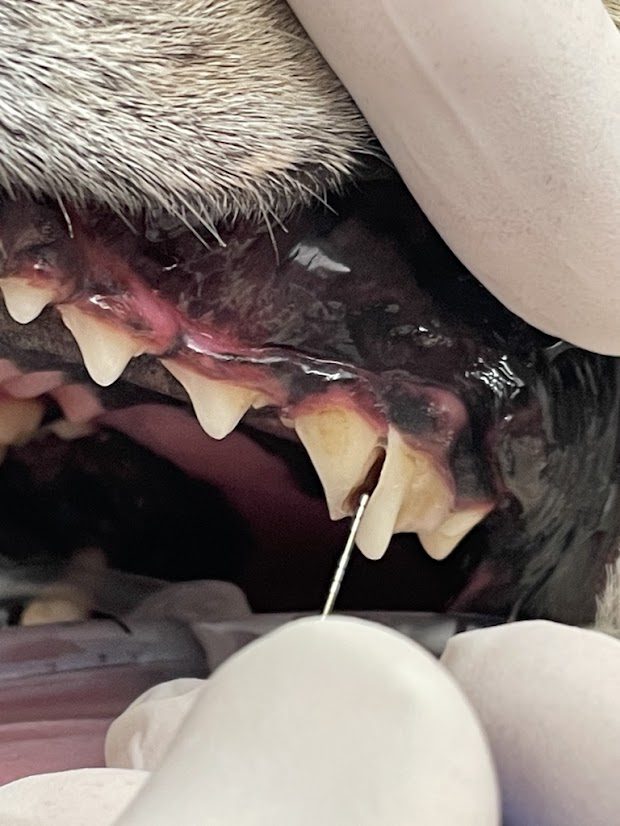
Dental X-Rays vs. Cleaning Alone: What You’re Missing
A professional dental cleaning removes tartar and plaque from the surfaces of the teeth and below the gumline, which is essential for preventing and treating periodontal disease. But a cleaning addresses only the surfaces of the teeth. It does nothing to diagnose or treat problems that originate within the tooth or the bone surrounding it.
When dental X-rays are included during an exam at Houston Pet Dental, our veterinary team can:
- Identify teeth that need extraction before the cleaning begins, allowing proper planning and preparation
- Confirm that extracted teeth have been fully removed, with no root fragments remaining in the socket
- Detect disease in teeth that look intact and healthy on the surface
- Diagnose conditions that require treatment beyond what a cleaning alone can address
- Monitor and trend bone support just like humans to better manage long term needs. If your pet has had 4-5 routine assessments in their life with proven consistent tooth root protection then perhaps we can avoid anesthesia when they are much older. This reduces risks as your pet ages.
Without this imaging, a pet can leave a dental procedure with active, painful disease still present in the mouth simply because it was not visible without radiographs.
Do Pet Dental X-Rays Require Anesthesia?
Yes, and this is an important point worth understanding. Anesthesia-free dental cleanings have become more widely marketed in recent years, but these services cannot include dental X-rays. Because proper radiograph positioning requires the sensor to be placed inside the mouth and held still against the teeth while the animal remains motionless, it is physically impossible to take accurate diagnostic dental X-rays on an awake animal.
This is one of the primary reasons veterinary dental organizations, including the American Veterinary Dental College, do not recommend anesthesia-free dental procedures. A cleaning performed without anesthesia cannot include the full-mouth dental radiography that is essential for a complete evaluation of your pet’s oral health.
Is Anesthesia Safe for My Pet?
This is a reasonable concern, and modern veterinary anesthesia is far safer than many pet owners realize. At Houston Pet Dental, pre-anesthetic bloodwork is performed to assess organ function and flag any potential risks before the procedure. During the procedure, a trained technician monitors your pet’s heart rate, blood pressure, oxygen saturation, body temperature, and respiratory rate continuously. Our team uses the safest anesthetic protocols available and tailors them to each individual patient.
The risks of undetected dental disease, including pain, infection, and systemic complications from bacteria entering the bloodstream, are generally far greater than the risks of a properly managed anesthetic procedure in a healthy patient. Another thing to consider is pet’s teeth do not magically get better and pets do not get any younger. Allowing periodontal disease to advance only increases surgical needs and anesthesia time as they age.
How Often Should Pet Dental X-Rays Be Taken?
Dental radiographs should be taken at every professional dental cleaning, not just at the first one. Dental disease can progress over time, and the X-rays taken at one visit serve as a baseline for comparison at the next. Changes in bone density, root structure, and surrounding tissue may be subtle from year to year but become significant when compared to earlier images.
For most dogs, annual dental cleanings are recommended, and annual dental X-rays accompany them. Pets with active dental disease, previous extractions, or certain breed predispositions may need more frequent monitoring. Your veterinarian at Houston Pet Dental will give you personalized recommendations based on your pet’s specific dental history and needs.
The Real Value of a Complete Dental Evaluation
Pet dental X-rays are not a luxury or an upsell. They are a necessary component of responsible veterinary dental care, and their importance cannot be overstated. Pets cannot tell us when their teeth hurt. They often continue eating, playing, and behaving normally even when they are in significant oral pain. Dental radiographs give veterinarians the ability to find and treat that pain before it compounds into something far more serious.
If your pet is due for a dental cleaning or you have concerns about their oral health, call Houston Pet Dental in Spring, Texas at 832-702-7599. Our team is committed to thorough, evidence-based dental care that includes everything your pet needs for a healthy, comfortable mouth.
Want to learn more?
Please visit our information on dental imaging.
Recent Posts
About Us
Houston Pet Dental aims to provide affordable, high-end veterinary dental care for dogs and cats in the Houston, TX area. Contact us today or walk in for a complimentary consultation!