
Simple vs. Surgical Tooth Extraction in Dogs: What’s the Difference?
When your dog needs a tooth removed, not all extractions are created equal. Simple tooth extraction in dogs involves removing a tooth that is already loose or has a single root, while surgical tooth extraction is required for teeth that are firmly anchored, multi-rooted, or damaged in ways that make standard removal impossible. There is a reason the saying goes “It’s like pulling teeth.” At Houston Pet Dental in Spring, Texas, our team performs both simple and surgical tooth extractions in dogs with your pet’s comfort and long-term health as the top priority. Below, we’ll explore what every dog owner should know.
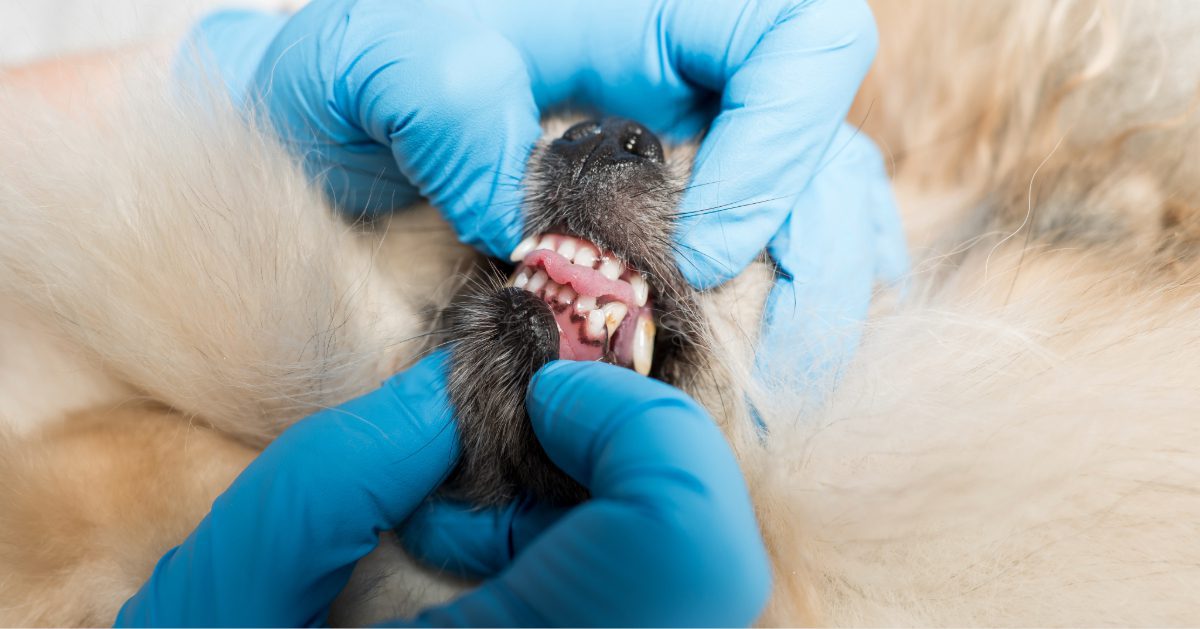
What Is a Simple Tooth Extraction in Dogs?
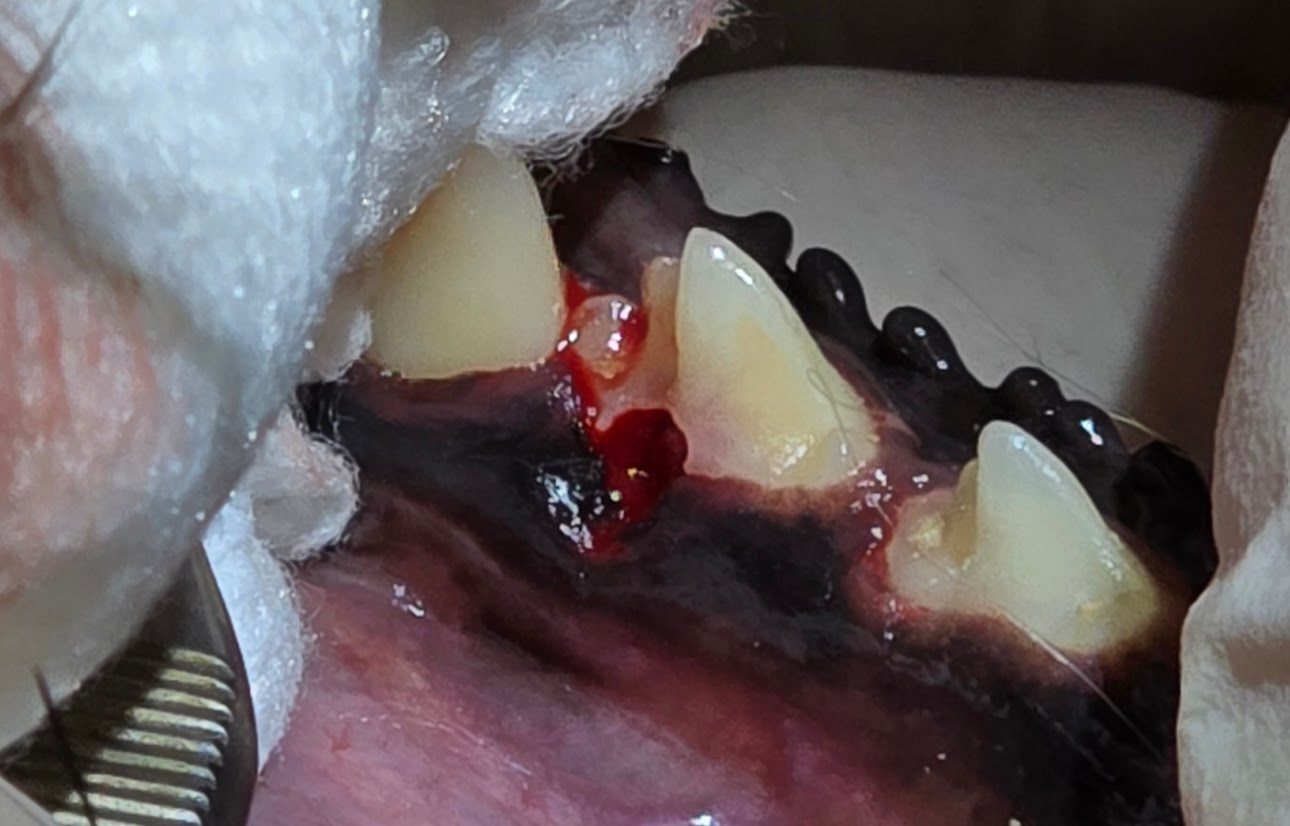
A simple dog tooth extraction is performed when a tooth has a single root or is already mobile due to advanced periodontal disease. Your veterinarian uses an extremely sharp luxator to gently loosen periodontal ligaments around the entirety of the tooth root and then removes the tooth cleanly with extraction forceps. The socket is then lavaged with sterile saline and the adjacent soft tissue is freed from its attachment to create a flap in most cases to be sutured closed. Because the tooth comes out in one piece and the surrounding tissue is relatively intact, recovery tends to be straightforward.
Simple extractions are most commonly performed on small incisor teeth at the front of the mouth or on teeth that have become significantly loosened by gum disease. These procedures are typically faster and require less post-operative care than their surgical counterparts.
Which Teeth Are Candidates for Simple Extraction?
- Loose incisors affected by periodontal disease
- Single-rooted teeth with significant bone loss around them
- Teeth that are already partially displaced from their socket
What Is a Surgical Tooth Extraction in Dogs?
Surgical tooth extraction in dogs is a more involved procedure required when a tooth cannot be safely removed with simple techniques. It typically involves making incisions in the gum tissue, creating tissue flaps, removing a small amount of bone around the tooth, and sometimes sectioning (cutting) the tooth into separate roots before removing each piece individually. These teeth are abnormally shaped, broken into several fragments, have internal tooth decay, or can be fusing to the bone. While teeth are often very close to one another this procedure takes a great deal of concentration and precision. The gum is then sutured closed to promote proper healing with dissolvable stitches.
Most dogs who need tooth extractions actually require the surgical approach. Multi-rooted teeth, fractured teeth, and teeth with curved or fused roots all fall into this category. Attempting to remove these teeth without proper surgical technique risks fracturing the root, leaving fragments behind, and causing significant damage to surrounding bone and tissue.
When Is Surgical Extraction Necessary?
Your veterinarian will recommend surgical tooth extraction in dogs when there is pain and nerve exposure detected with radiographs or upon gross examination and the following apply:
- The tooth has multiple roots (such as the upper fourth premolar or lower first molar)
- The tooth is fractured and root fragments remain in the socket
- The tooth root has become fused to the surrounding bone (a condition called ankylosis)
- A large carnassial tooth needs to be removed
- Significant infection or abscess surrounds the tooth root
- The anatomy of the tooth makes simple removal unsafe or impossible
Simple vs. Surgical Tooth Extraction: Key Differences
Comparing simple vs. surgical tooth extraction in dogs comes down to tooth anatomy, the condition of the surrounding bone and tissue, and the technique required to safely remove the tooth without complications. Here is a clear breakdown of how these two approaches differ.
Complexity and Technique
Simple extractions use a luxator/elevator and forceps alone. Surgical extractions require more extensive soft tissue augmentation, bone removal, and removal of chronically affected soft tissue. Because the surgical approach is more invasive by design, it demands greater precision and adds time to the procedure, but it also leads to a cleaner, safer outcome than forcing a difficult tooth out without proper technique. Complications can be significantly reduced with the correct approach.
Anesthesia and Monitoring
Both simple and surgical dog tooth extractions are performed under general anesthesia. This is non-negotiable in veterinary dentistry. Anesthesia allows your veterinarian to work safely, prevents pain and movement during the procedure, and makes it possible to take the dental X-rays that are essential for proper diagnosis and treatment planning. At Houston Pet Dental, every anesthetic procedure includes continuous monitoring of heart rate, blood pressure, oxygen levels, and body temperature by a dedicated team member. Oral surgery is considered non-invasive which allows us to use lower levels of anesthesia in order to minimize anesthetic risks associated with deep anesthesia. Utilizing local nerve blocks in addition to pre-medications also allows us to minimize the amount of anesthesia required to complete a procedure safely. This approach allows our patients to be discharged the same day feeling much better once those painful teeth have been removed.
Recovery Time
Dogs recovering from a simple extraction often bounce back within a day or two, though soft food is typically recommended for a short period. Dogs recovering from surgical extraction may need a slightly longer recovery, with soft food required for 10 to 14 days and a recheck appointment to ensure the extraction sites are healing well. Pain management is provided for both types of procedures.
Why Dental X-Rays Are Essential Before Any Extraction
One of the most important steps before performing either a simple or surgical tooth extraction in dogs is taking full-mouth dental X-rays. Even an experienced veterinary dentist cannot determine root condition, bone loss patterns, or the presence of retained root tips from a visual exam alone. Nobody has X-ray vision and pets have no means to tell you they have a painful tooth. Dental radiographs reveal the anatomy beneath the gumline and help your veterinarian choose the safest and most appropriate extraction technique before making any incision. Skipping dental X-rays increases the risk of complications including fractured roots, incomplete extractions, and undetected infection. Pets can be born with impacted teeth or extra teeth which can lead to dentigerous cysts and weakened jawbones. Any missing crowns even from an early age should be carefully evaluated to ensure there are no forming painful conditions. At Houston Pet Dental, dental radiographs are a standard part of every procedure.
Does My Dog Need a Simple or Surgical Extraction?
Only a veterinarian can determine whether your dog needs a simple vs. surgical tooth extraction, and often that determination is not made until the patient is under anesthesia and dental X-rays have been reviewed. What looks like a straightforward extraction during a physical exam can turn out to require a surgical approach once the full picture is visible on radiographs.
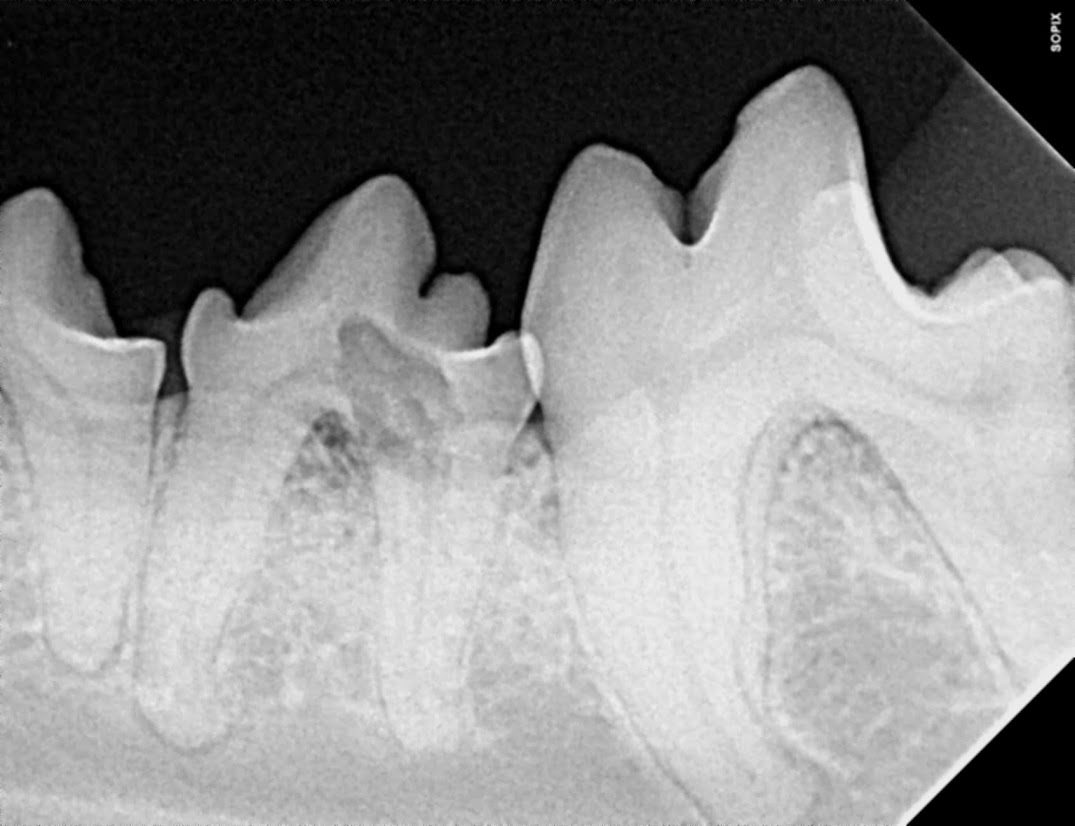
This is why it is so important to work with a veterinary practice that takes dental X-rays as a matter of routine, not as an optional add-on. You are not helping your pet by cleaning painful teeth with hidden disease. Our team at Houston Pet Dental in Spring, Texas, uses dental radiography on every patient to make informed, accurate decisions about your dog’s oral health.
What to Expect During Your Dog’s Tooth Extraction Procedure
Whether your dog undergoes a simple or surgical tooth extraction, the process at Houston Pet Dental follows a thorough, patient-centered protocol. Here is what typically happens:
- Pre-anesthetic bloodwork is performed to assess your dog’s overall health and confirm they are a safe candidate for anesthesia.
- Anesthesia induction with modern drugs and monitoring begins, with a dedicated technician overseeing your dog’s vitals throughout the entire procedure.
- Full-mouth dental X-rays are taken before any extraction begins to guide the treatment plan.
- Local nerve blocks are administered to minimize pain during and after the procedure.
- The extraction is performed using simple or surgical technique based on what the X-rays and clinical findings reveal.
- Sutures are placed as needed to close extraction sites and support healing.
- Post-operative care instructions are provided before your dog goes home.
Post-Extraction Care: Helping Your Dog Heal
After a tooth extraction, whether simple or surgical, your dog will need a period of dietary modification and close monitoring at home. Softened food is common protocol, and your veterinarian will prescribe pain medication and possibly antibiotics depending on the nature of the procedure.
Almost all dogs are surprisingly comfortable within 24 to 48 hours of their procedure, especially once the source of infection or pain has been removed. If you notice swelling, discharge, bleeding, or changes in your dog’s eating behavior after an extraction, contact Houston Pet Dental right away. These signs can indicate complications that need to be addressed promptly.
Tooth Extraction in Dogs Is Often the Kindest Option
Many pet owners feel understandably worried when they hear their dog needs a tooth removed. But in most cases, a painful, infected, or broken tooth causes far more suffering than the procedure to remove it. Dogs who are in dental pain often suffer in silence, and extraction, whether simple or surgical, frequently provides immediate relief and a significant improvement in quality of life.
If your dog has been diagnosed with a tooth that needs to come out, or if you want a professional assessment of your pet’s oral health, call Houston Pet Dental in Spring, Texas at 832-702-7599. Our team is here to walk you through every step, answer your questions about simple vs. surgical tooth extraction in dogs, and make sure your pet gets the expert care they deserve.
Recent Posts
About Us
Houston Pet Dental aims to provide affordable, high-end veterinary dental care for dogs and cats in the Houston, TX area. Contact us today or walk in for a complimentary consultation!